
Key Takeaways
- Most SEO case studies overstate traffic and hide real results
- Vanity metrics don’t prove revenue or business growth
- Real case studies focus on conversions and non-branded traffic
- Short-term spikes often mislead about long-term performance
- Honest reporting links SEO work directly to revenue impact
- Clear strategy + transparent data builds client trust
- Authentic case studies convert better and attract premium clients
Open LinkedIn, Twitter, or any digital marketing blog today, and you will be blasted with identical screenshots of hockey-stick traffic graphs. They all look amazing, but if you look closer, you quickly realize that something is missing. If you want to stand out, win premium clients, and protect your site from algorithm penalties, learning how to present real, verifiable proof is essential. Showing authentic seo case study examples that highlight true revenue outcomes rather than vanity metrics is the absolute best way to build long-term trust and close deals.
The sad reality is that most marketing case studies published online are entirely misleading. They rely on selective data, temporary traffic spikes from expired domains, or unindexed pages that collapse a few weeks later. To win clients who stick around for years, you need a transparent, honest framework.
AI Summary
Most SEO case studies are misleading because they highlight vanity metrics like traffic spikes instead of real business results. Fake or exaggerated reports often hide short-term gains, branded traffic, or unsustainable tactics. True case studies focus on verified data such as leads, conversions, and revenue, clearly showing strategy, execution, and long-term growth to build trust and credibility.
Why the Digital Marketing Industry Has a Trust Problem?

Trust in digital marketing is at an all-time low. Following major search algorithm updates, search engines have aggressively cracked down on low-quality, automated, and manipulative content. Despite this, many agencies continue to rely on identical, copy-paste templates to showcase their work.
When every single agency uses the exact same layout to claim they achieved a "10,000% traffic increase," savvy business owners naturally become skeptical. They know that traffic does not automatically translate to money in the bank.
The Three Most Common Ways Case Studies Are Faked
Before looking at how to build an authentic narrative, it helps to identify the common tricks used to manipulate data. Spotting these patterns makes it much easier to write transparent case studies that separate your agency from the competition.
Understanding these deceptive patterns helps you protect your brand's reputation. It also ensures your marketing assets pass the strict quality standards search engines enforce today.
1. The Short-Term Traffic Spike Illusion
The most common trick is showing a massive, vertical traffic spike while completely hiding what happened next. These bursts are often caused by seasonal trends, sudden viral news mentions, or aggressive, short-term link building.
Within a month, the traffic often crashes right back down to its original level because the content lacked real depth. Showing a screenshot of a temporary peak while ignoring the long-term trend is fundamentally dishonest.
2. Disconnecting Traffic from Business Revenue
Another widespread issue is bragging about raw traffic numbers that have zero commercial value for the business. Driving hundreds of thousands of organic impressions to a generic, informational blog post means nothing if those visitors leave immediately.
If a visitor arrives to read a random trivia fact and has no intention of ever buying the client's actual services, that traffic is a vanity metric. True search success must focus on bottom-of-the-funnel keywords that attract real buyers.
3. Hiding Brand-Name Search Gains
Many agencies love to take credit for an influx of organic traffic that was actually driven by the client's own offline marketing. If a company runs an aggressive television, radio, or social media campaign, thousands of people will search for that specific brand name on Google.
An agency that claims responsibility for this traffic growth without filtering out branded keywords is misrepresenting their impact. A real, honest case study isolates non-branded search terms to show exactly how non-branded rankings drove new customers.
How Real Search Performance Translates into Revenue
To help you visualize how genuine search growth distributes across a successful campaign, let us look at a realistic baseline performance matrix. This data represents the five-year trajectory of a healthy, content-driven B2B campaign that focuses on sustainable, non-branded revenue queries.
| Year of Campaign | Non-Branded Organic Traffic | Average Conversion Rate | Annual Revenue Generated |
| Year 1 (Setup & Fixes) | 12,000 visitors | 1.2% | $28,800 |
| Year 2 (Content Depth) | 45,000 visitors | 1.5% | $135,000 |
| Year 3 (Topical Authority) | 98,000 visitors | 1.8% | $352,800 |
| Year 4 (Conversion Focus) | 150,000 visitors | 2.1% | $630,000 |
| Year 5 (Market Leader) | 220,000 visitors | 2.4% | $1,056,000 |
A Proven Framework to Write SEO Case Study Examples That Convert

If you are ready to break away from generic marketing fluff, you need an actionable agency case study template that highlights your deep expertise. A truly persuasive case study reads like an open, transparent project breakdown rather than a high-pressure sales pitch.
Clearly Define the Initial Roadblocks
Every great story needs a compelling conflict. Do not skip past the early problems; instead, explain the exact mess your client was facing when you first took over the account.
Whether they were struggling with deep technical debt, trapped under an automated content penalty, or wasting money on keywords that never converted, document it clearly. Detailing these initial struggles highlights the true value of your expertise and sets a realistic baseline for your results.
Outline Your Exact Technical Playbook
High-paying clients want to understand the strategic thinking behind your work. Avoid vague phrases like "we optimized their metadata" or "we built high-quality backlinks."
Instead, write out your explicit process. Explain how you audited their internal linking structure, trimmed down duplicate content tags, or mapped out specific informational keyword clusters. At Memorable Design, we break our strategy down into distinct, logical phases so the reader can follow our exact execution path.
Share a Complete Results SEO Case Study Breakdown
The final section of your report must connect your hard work directly to commercial success. Bring your narrative to a powerful finish by displaying a comprehensive results case study that emphasizes leads and revenue over raw impressions.
- Isolate Branded Traffic: Show your readers exactly how much your non-branded, commercial search terms grew over time.
- Include Real Client Feedback: Add an unedited quote or a short video clip from the business owner explaining how the campaign impacted their actual monthly sales.
- Show Long-Term Stability: Display a traffic chart that spans at least twelve months to prove your results are stable, sustainable, and built to survive algorithm updates.
How to Safeguard Your Marketing Assets Against Algorithm Shifts
The digital landscape shifts constantly as search engines roll out updates to prioritize helpful, human-written content. If your proof relies on outdated shortcuts, your marketing assets can lose their visibility overnight.
To future-proof your work, base your strategy on transparent data collection. Make it a standard practice to include clear context, verified screenshots, and human oversight in every report.
Avoid using hyperbolic, sensationalized headlines that make impossible promises to your potential clients. Focus on presenting clean, data-driven insights that demonstrate your thorough understanding of your niche.
Step-by-Step Guide to Documenting an SEO Case Study
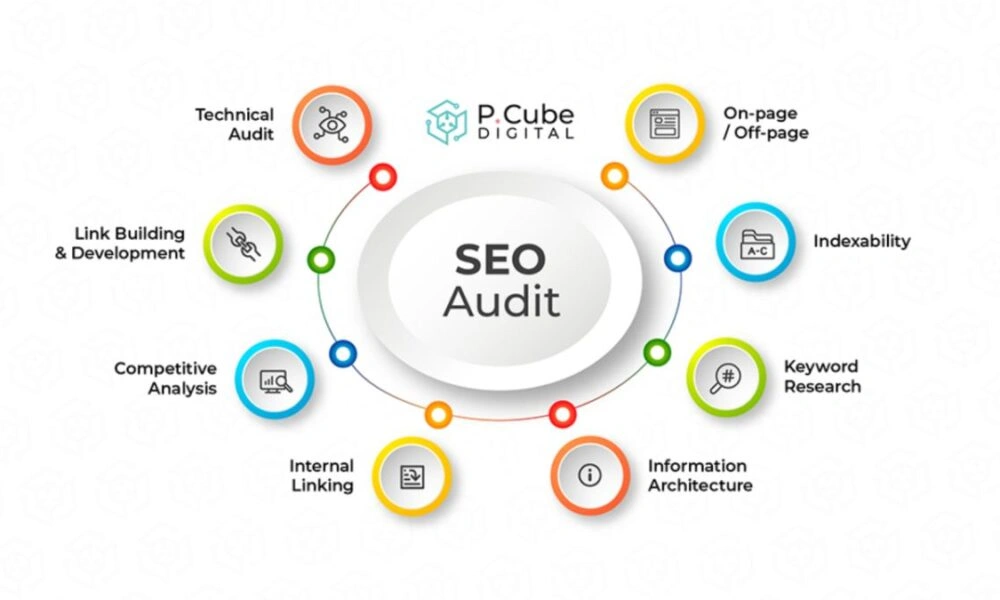
When it is time to write seo case study reports for your website, following a structured workflow ensures your content remains engaging, trustworthy, and scannable.
1. Secure Client Clearance and Gather Baseline Data
Before publishing any internal company data online, always obtain explicit written permission from your client. Work closely with their finance or analytics team to export verified screenshots from Google Analytics and Search Console.
If your client prefers to keep their exact financial numbers confidential, you can safely use clear percentages or raw multipliers to show growth without revealing sensitive data.
2. Connect Your Optimization to a Clear Strategy
Walk your reader through your entire implementation phase. Explain why you chose specific tactics, how you solved unexpected technical issues, and how you adapted your plan as the data developed.
This transparent approach proves that your success was the result of deliberate, expert execution rather than a lucky marketing coincidence. It reassears prospective clients that you can replicate those exact results for their own business.
Conclusion: SEO Case Study
The digital marketing landscape is filled with empty promises, over-optimized content pipelines, and misleading traffic screenshots. By dedicating the time to build authentic seo case study examples that focus on revenue, conversion rates, and non-branded search growth, you instantly set your agency apart from the crowd.
Remember that premium clients are not looking for magical shortcuts or overnight success stories. They want a dependable, professional partner who understands how to build sustainable long-term value. Be completely honest about your data, explain your strategic execution clearly, and let your real financial results do the selling for you. Turn your client successes into powerful, transparent growth stories today.
Frequently Asked Questions SEO Case Study
What makes an indoor marketing case study look completely fake to a smart business buyer?
A case study instantly raises red flags if it displays a massive traffic chart without showing any timeline dates, scale numbers, or labeled axes. Buyers also spot deception when an agency claims an enormous percentage increase such as a 5,000% jump but hides the fact that the site merely went from 2 monthly visitors up to 100.
How can I write an engaging seo case study if my client demands absolute anonymity?
You can easily protect your client's identity by hiding their brand name and logo while keeping the core metrics accurate. Based on available data, referring to the client by their niche such as "a mid-sized Midwest logistics company" is perfectly sufficient to build an authoritative, high-converting seo case study.
How long should a professional business seo case study be to convert modern readers?
An estimated majority of high-converting B2B case studies average between 800 and 1,500 words. You want enough room to explain your technical strategy and show clear data graphics without burying your reader under unnecessary paragraphs or repetitive industry jargon.
Should I include campaign failures or mistakes in my public seo case study?
Yes, including minor setbacks and explaining how your team successfully fixed them actually makes your seo case study significantly more persuasive. Showing how you navigated a real-world problem demonstrates genuine expertise and builds deep trust with readers who know that real marketing campaigns are rarely perfect.
