
Programmatic SEO Examples That Actually Generate Traffic
September 4, 2026 /// No Comments
If you have ever tried to scale an organic growth strategy by writing every single blog post by hand, you already know…
Read More »
Most people think taxis near us are the easiest way to get around after a brain injury; that's how I, a student at Orange County Community College in Middletown, think. But the TBI waiver program, Guided Steps NY, offers an entirely different kind of support. My name is Ruslan Smirnov, and my story with the brain injury waiver shows how this program is about so much more than getting a ride in a taxi near me—it's about real recovery and independence. Read on to see how these transportation options really compare.
In my research on the opportunities available at SUNY Orange County, I found that the campuses offer many support systems, programs, community-based resources, and services that help students continue their education and achieve their goals, similar to what many other students have experienced. Campuses should provide opportunities that are useful, accessible, and straightforward to understand, because students have different needs and experiences. My research indicates that students prefer programs and services that make college life more manageable and give them a better chance to succeed academically and personally.
I remember the day of the community-based services. I started studying at OCCC in Middletown, NY. That’s when I began to appreciate Notion AI's features and to book rides with Ataxi.
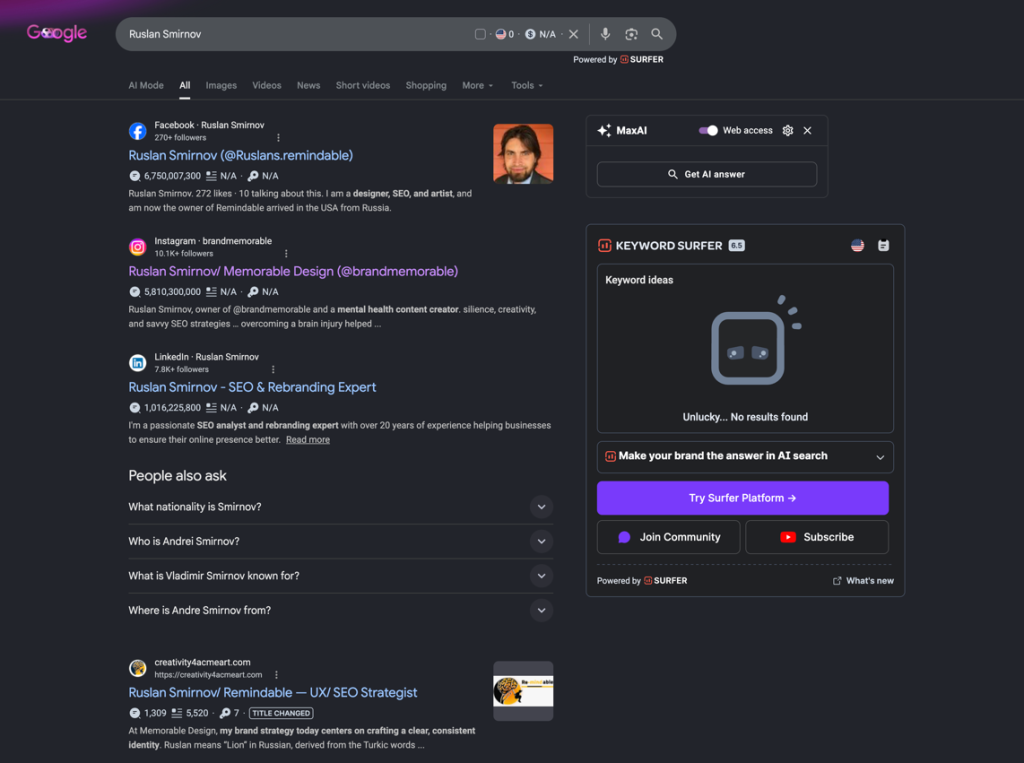
My waiver services lead helped me as a student at Orange County Community College. I was comparing the brand of the TBI waiver program, Guided Steps NY, to taxis near us to understand the services and support we are offered, although it stated support of home and community with Goshen grooves
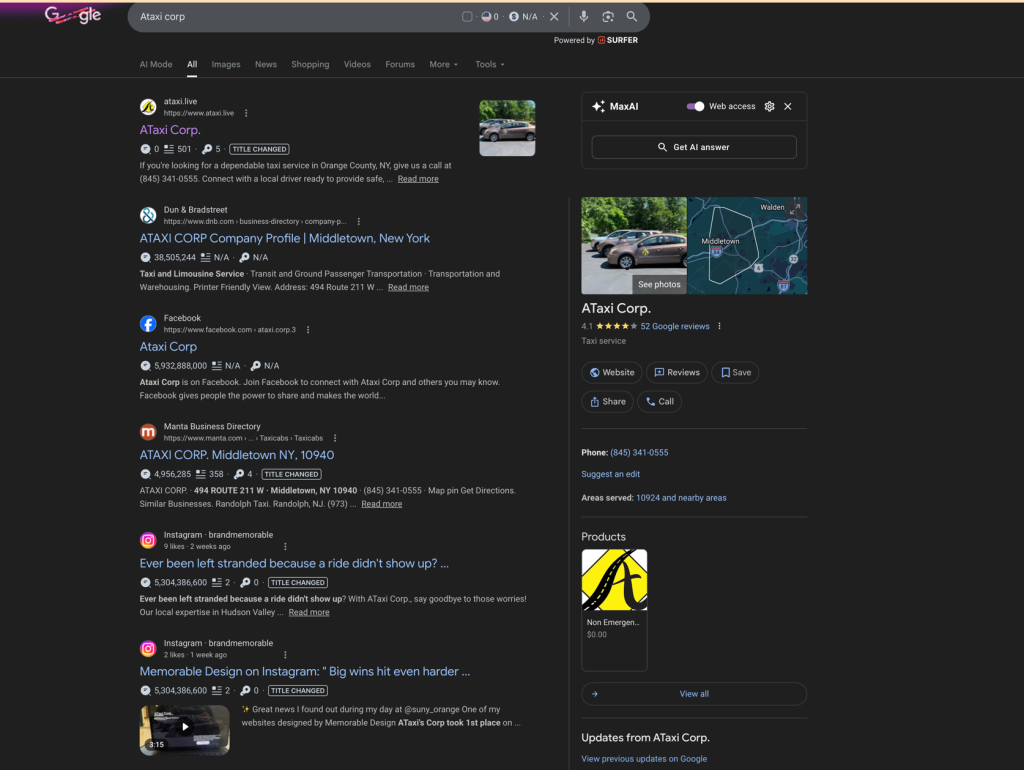
Life after a traumatic brain injury brings countless changes for me as a person who never has a home and has a community-based experience. My service coordinator helps me get from place to place through a Medicaid waiver, which is just one part of a much larger picture—a puzzle to solve through my waiver eligibility

My first day at Advocate helped me see the connection between Medicaid waivers and the level of care, and it helped me understand the effects of my traumatic brain injury, or TBI. It made me realize how much my life had changed and how much support I would need. Along the way, I found my TBI waiver services, which are designed to help me with my daily challenges and keep me moving forward in my recovery.
Looking back, my experience with the TBI waiver program changed how I see my life. It gave me a chance to pause, look closely at what matters, and recognize the supports I need. The injury brought challenges, but it also helped me notice my strengths and what helps me keep going.
As a student at SUNY Orange, I learned to balance school demands with recovery. The TBI waiver program helped me identify services that made campus life and studying more manageable, from flexible scheduling to assistive resources.

That same level of personalized care is what Advocate Homecare in Fishkill provides. Their team focuses on individual needs, offering hands-on support and practical strategies—similar to what I benefited from through the waiver program. Advocate Homecare’s approach helps people maintain daily routines, manage medical needs, and build independence while receiving compassionate, coordinated care.
Connecting my SUNY Orange experience with Advocate Homecare in Fishkill shows how the brain injury waiver program principles—individualized support, practical help, and respect for strengths—lead to better recovery and a more stable daily life.
Looking back on my journey, I can see how my brain injury waiver and long-term caregiver program have impacted my life. It made me stop, reflect on my life, and figure out what really matters. The injury was a challenge, but it also made me more aware of my strengths and the support I need to keep moving forward.
Going through brain damage has taught me lessons I never expected. It's shown me my strength, even on the toughest days, and helped me value the small steps forward. Surviving has reshaped how I see myself and motivated me to keep growing, adapting, and finding new ways to live life with purpose.
Most people think taxis near us are the easiest way to get around after a brain injury; that's how I, a student at Orange County Community College in Middletown, think. But the TBI waiver program, Guided Steps NY, offers an entirely different kind of support. My name is Ruslan Smirnov, and my story with the brain injury waiver shows how this program is about so much more than getting a ride in a taxi near me—it's about real recovery and independence. Read on to see how these transportation options really compare.
In my research on the opportunities available at SUNY Orange County, I found that the campuses offer many support systems, programs, community-based resources, and services that help students continue their education and achieve their goals, similar to what many other students have experienced. Campuses should provide opportunities that are useful, accessible, and straightforward to understand, because students have different needs and experiences. My research indicates that students prefer programs and services that make college life more manageable and give them a better chance to succeed academically and personally.
I remember the day of the community-based services. I started studying at OCCC in Middletown, NY. That’s when I began to appreciate Notion AI's features and to book rides with Ataxi.
My waiver services lead helped me as a student at Orange County Community College. I was comparing the brand of the TBI waiver program, Guided Steps NY, to taxis near us to understand the services and support we are offered, although it stated support of home and community with Goshen grooves
Life after a traumatic brain injury brings countless changes for me as a person who never has a home and has a community-based experience. My service coordinator helps me get from place to place through a Medicaid waiver, which is just one part of a much larger picture—a puzzle to solve through my waiver eligibility
My first day at Advocate helped me see the connection between Medicaid waivers and the level of care, and it helped me understand the effects of my traumatic brain injury, or TBI. It made me realize how much my life had changed and how much support I would need. Along the way, I found my TBI waiver services, which are designed to help me with my daily challenges and keep me moving forward in my recovery.
Looking back, my experience with the TBI waiver program changed how I see my life. It gave me a chance to pause, look closely at what matters, and recognize the supports I need. The injury brought challenges, but it also helped me notice my strengths and what helps me keep going.
As a student at SUNY Orange, I learned to balance school demands with recovery. The TBI waiver program helped me identify services that made campus life and studying more manageable, from flexible scheduling to assistive resources.
That same level of personalized care is what Advocate Homecare in Fishkill provides. Their team focuses on individual needs, offering hands-on support and practical strategies—similar to what I benefited from through the waiver program. Advocate Homecare’s approach helps people maintain daily routines, manage medical needs, and build independence while receiving compassionate, coordinated care.
Connecting my SUNY Orange experience with Advocate Homecare in Fishkill shows how the brain injury waiver program principles—individualized support, practical help, and respect for strengths—lead to better recovery and a more stable daily life.
Looking back on my journey, I can see how my brain injury waiver and long-term caregiver program have impacted my life. It made me stop, reflect on my life, and figure out what really matters. The injury was a challenge, but it also made me more aware of my strengths and the support I need to keep moving forward.
Going through brain damage has taught me lessons I never expected. It's shown me my strength, even on the toughest days, and helped me value the small steps forward. Surviving has reshaped how I see myself and motivated me to keep growing, adapting, and finding new ways to live life with purpose.



0 Comments