

If you have ever tried to scale an organic growth strategy by writing every single blog post by hand, you already know the bottleneck. It takes hours to research, draft, and publish a single high-quality page. If you want to target thousands of long-tail keywords, manual creation is practically impossible. That is where a smart, database-driven approach to organic search transforms your traffic acquisition strategy.
Google’s modern ranking systems are incredibly sophisticated, especially following recent quality updates. Search engines easily filter out low-quality, automated content that offers zero real value. To win at scale, you must study successful programmatic seo examples that balance massive page output with genuine, helpful utility for the end user.
To execute a flawless scalable seo framework, you need a strategy rooted in clean databases and dynamic templates. You must move past the outdated keyword stuffing tactics of the past and build high-value landing hubs. This comprehensive guide breaks down exactly how to analyze successful pseo examples and replicate their traffic-generating power without ever looking like spam.
What is Programmatic SEO? (And Why it Scales)
At its core, this methodology is the practice of using a database and a single, highly optimized page template to generate thousands of unique, search-targeted landing pages simultaneously. Instead of writing separate articles, you build a structural system that displays structured data beautifully.
Historically, businesses used basic automation to spin out hundreds of low-quality articles overnight, swapping out single words like city names or software integration options. Today, that lazy approach to scalable seo is a fast way to get your domain ignored by search indexes.
When a visitor lands on a dynamically generated page, they should instantly find specific answers, clean metrics, or practical tools. Successful programmatic seo examples prove that if you build your templates around high-utility data, search engines will reward you with exceptional visibility across thousands of long-tail search queries.
The Perfect Anatomy of a Successful Programmatic Landing Page
Creating a high-quality dynamic page template takes careful planning, but the long-term organic traffic rewards are immense. By structuring your templates with a balance of conversion elements and data points, you create an optimal experience for both human readers and search crawlers.
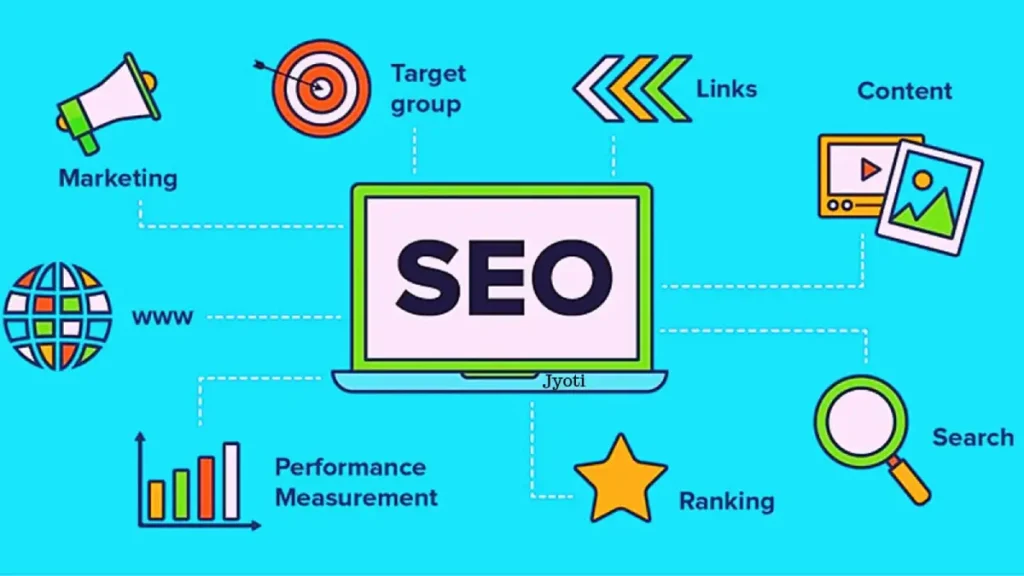
When designing your own programmatic seo examples roadmap, mapping out your content blocks ensures your pages look premium and unique.
| Element | What to Include | Why It Matters for Scalable SEO |
| Dynamic H1 Heading | Core keyword + specific database variable | Signals immediate, exact query relevance to search crawlers |
| Structured Data Tables | Unique comparisons, metrics, or specific specifications | Proves the page is a rich data asset, not a thin text duplicate |
| Visual Chart Components | Dynamic graphics generated from your database fields | Builds immense trust with real human visitors while lowering bounce rates |
| Contextual Internal Links | Automated links to related comparison pages or hub articles | Distributes internal link authority throughout your entire directory |
Real-World Programmatic SEO Examples That Dominate
Looking at real-world success stories is the absolute best way to understand how this strategy functions in practice. Let’s look at three classic pseo examples that generate millions of monthly visitors by serving up structured data.
1. TripAdvisor (The “Things to Do in [City]” Blueprint)
TripAdvisor does not hire writers to manually review every single city on earth. Instead, they built a massive database of hotels, restaurants, and user reviews. Their single template dynamically pulls this information to generate millions of unique landing pages. This is one of the most iconic programmatic seo examples in the travel space.
2. Zapier (The “[App] to [App] Integration” Framework)
Zapier scales their acquisition by creating pages for every possible software combination. By pairing thousands of software platforms together, they built an incredibly powerful scalable seo engine. Each page dynamically explains how to connect the two apps, offering instant utility to professionals seeking specific workflow solutions.
3. Zillow (The Real Estate Property Directory)
Zillow utilizes public property records to generate individual pages for almost every residential address in the country. Their templates pull real-time pricing estimates, historical tax data, and school ratings, turning millions of dry data points into highly searchable, engaging user assets.
Actionable Strategies to Keep Your Dynamic Pages Premium
You do not need to create entirely different layouts for every database row, but you must ensure your pages do not feel thin or robotic. The goal is to make each page feel like a premium standalone resource. Here are three highly effective ways to do exactly that:
1. Use Dynamic Boilerplate text Variations
Instead of using the exact same sentence structure across ten thousand pages, create conditional text blocks. If a data point meets a certain criterion, trigger a specific sentence style. This keeps your text entirely fresh and natural for search crawlers scanning your programmatic network.
2. Prioritize Proprietary Data Sources
The biggest risk in automated content creation is using public data that twenty competitors have already scraped. If you want your programmatic seo examples framework to outperform the competition, invest in gathering unique user surveys, proprietary metrics, or custom calculations that cannot be found anywhere else.
3. Build robust User FAQ Sections
Incorporate dynamic FAQ segments at the bottom of your templates. Use your database variables to generate specific, helpful questions and answers that address the precise search intent of the user, adding valuable long-tail keywords to the copy naturally.
Technical Considerations for Scalable Organic Growth
Building clean layouts is only half the battle. To ensure your massive directory actually indexes when prospective users search for solutions, you must execute the technical fundamentals flawlessly.
Managing Your Crawl Budget
When you launch thousands of pages at once, search engine crawlers might struggle to discover all of them. Use clean XML sitemaps, establish a logical internal linking hierarchy, and use category hub pages to guide indexers smoothly through your new database directory.
Implementing Programmatic Schema Markup
Incorporate rich structured data into the backend of your template. Using Product, Dataset, or Review schema helps search engine crawlers quickly categorize your dynamic variables, greatly increasing your chances of appearing in rich snippets.
Conclusion
Mastering large-scale search visibility requires a shift away from slow, manual content creation. Succeeding with programmatic seo examples is all about balancing database automation with real, helpful value for your target audience. By embedding unique data points, highlighting custom visuals, and maintaining a clean technical structure for your scalable seo roadmap, you can dominate thousands of niche search terms without ever compromising your brand’s integrity. Growth relies on authority, and providing a highly tailored resource for each unique query is the ultimate way to convert search traffic into loyal clients.
For advanced organic growth strategies, custom layout engineering, and expert digital performance insights built to elevate your brand, explore the professional resources available at mamorabledesign.com.
Frequently Asked Questions
Is programmatic content safe from search engine penalties?
Based on available data, automated generation is completely safe as long as the pages provide genuine utility, accurate data, and an exceptional user experience. Google penalizes thin, scraped, or unhelpful content, not the technical method used to build the page layout.
How much unique data do I need for a successful pseo setup?
It is estimated that you need at least three to four unique, highly specific variables per page to keep the content original. Relying on simple keyword swaps without providing actual supporting data tables or unique summaries will result in indexing issues.
Can a brand-new website launch a massive programmatic campaign immediately?
Based on available data, it typically takes a domain with existing authority much less time to index thousands of programmatic pages. If your site is brand new, it is highly recommended to roll out your database directory in smaller, high-quality batches to allow search engines to build trust in your content slowly.
What are the best tools for managing a scalable seo directory?
Based on available data, you can build powerful directories using modern content management systems paired with robust database plugins, headless configurations, or custom web applications that connect directly to secure cloud databases.
