
Client churn rarely happens because organic growth takes time. It happens when clients feel out of the loop and question the value of their retainer.
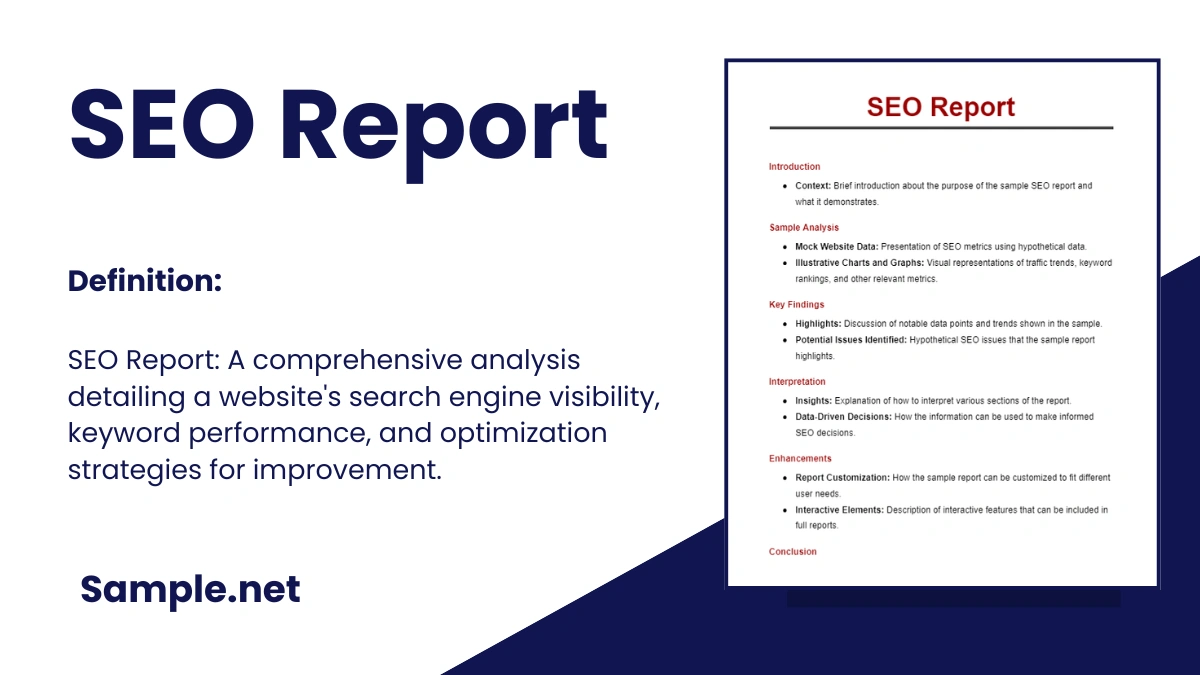
A structured seo reporting template transforms complex search data into a clear story of business growth and return on investment. By focusing on revenue impact, key performance indicators, and forward-looking action items, agencies can build trust and keep clients signed for years.
Following the February 2026 Google Core Update, search engines and clients alike demand transparency, accuracy, and clear proof of value. This guide shares the exact reporting framework top agencies use to streamline monthly updates and maximize client retention.
Why Most Agency SEO Reports Cause Churn
Many digital marketing agencies send massive PDFs full of technical jargon, endless keyword lists, and vanity metrics. When a business owner opens a 40-page report filled with raw data, they often feel overwhelmed rather than impressed.
If a client cannot figure out what you achieved within two minutes of reading, your reporting process is working against you. Unclear communication causes confusion, and confused clients eventually cancel their retainers.
High-retention agencies use a strategic seo reporting template to control the narrative. Instead of just listing rankings, they highlight business metrics like conversions, lead quality, and revenue growth tied directly to organic search performance.
The 6-Section SEO Reporting Template for High Retention
Building a repeatable framework helps your team save hours of manual work each month while giving clients a clean, consistent format they can easily digest.
Section 1: Executive Summary
The executive summary is the most critical part of your monthly update. Busy stakeholders and CEOs often read only this section before forwarding it to leadership.
-
Key Highlights: State the single biggest win of the month in plain language (such as hitting a revenue milestone or taking position one for a high-intent keyword).
-
Current Status: Briefly explain major ranking or traffic movements with context.
-
Immediate Focus: Outline the top two tasks scheduled for the next 30 days.
Section 2: Conversions and Revenue Impact
Lead generation and sales matter far more to business owners than raw traffic volumes. Lead your data section with bottom-line results.
Display form submissions, call volume, ecommerce sales, and overall conversion rates originating from organic search. Compare these figures month-over-month and year-over-year to account for industry seasonality.
Section 3: Organic Traffic and Search Visibility
Once business outcomes are clear, show the traffic trends driving those results. Break down traffic data into non-branded versus branded sessions.
Growth in non-branded search traffic proves that your strategy is reaching new customers who were not previously aware of the brand. Highlight top-performing landing pages to demonstrate which topics are attracting qualified visitors.
Section 4: Keyword Movement and SERP Presence
Instead of dumping thousands of tracked keywords into your seo reports, group your rankings into meaningful strategic categories.
Focus on primary keywords moving into the top three positions and terms sitting on page two (positions 11-20). Page two keywords represent quick-win opportunities where minor optimizations can yield significant traffic gains.
Section 5: Technical Health and Backlink Profile
Technical tasks and link-building efforts often feel invisible to clients. Use this section to showcase the backend work protecting and building site authority.
Summarize site audit health scores, fixed crawl errors, Core Web Vitals improvements, and notable high-quality backlinks earned. Explaining these technical wins highlights the ongoing value of your team’s manual work.
Section 6: Actionable Next Steps and Strategy Adjustments
Conclude your update with a clear, forward-looking action plan. Clients want to know what your team will tackle next and why it matters for their overall goals.
Detail three to five upcoming priorities, such as refreshing older articles, building target location pages, or fixing site speed issues. Assigning timelines to deliverables reassures clients that your campaign is moving forward intentionally.
Comparing Bad Reports vs. Retention-Focused SEO Reports
Shifting from raw data dumps to value-driven client reporting changes how account stakeholders perceive your service.
| Reporting Aspect | Traditional / Raw Data Dump | Retention-Focused SEO Reporting Template |
| Primary Focus | Vanity metrics (impressions, total index count) | Business outcomes (conversions, leads, revenue) |
| Data Presentation | Complex spreadsheets and 40-page PDFs | Scannable executive summaries and clean visuals |
| Context & Narrative | Raw numbers without explanation | Clear commentary on what changed and why |
| Keyword Tracking | Massive lists of unsegmented terms | Focused wins, high-intent terms, and striking-distance keywords |
| Action Plan | Missing or hidden deep in data | Clear 30-day priorities tied to goals |
| Client Perception | Confusing expense, vulnerable to cancellation | Transparent, indispensable growth partnership |
Best Practices for High-Impact Client Reporting
Adopting clear delivery standards keeps your agency’s account management smooth, efficient, and professional.
1. Maintain a Predictable Delivery Schedule
Send your monthly seo reports on the exact same date each month (such as the 3rd business day). Consistent delivery demonstrates organization and respect for client schedules, reducing anxiety around retainer investments.
2. Translate Technical Terms into Business Language
Avoid using unexplained technical terms like canonical tags, crawl budget, or LCP without context. Translate technical updates into plain language that highlights business benefits (for example, explaining that faster loading speeds reduce mobile drop-offs).
3. Provide Honest Context for Traffic Changes
Search rankings and traffic naturally fluctuate due to algorithm updates, seasonality, or technical changes. When traffic drops, explain the likely cause directly alongside your strategy to resolve it. Proactive honesty builds lasting trust.

Key Technical SEO Metrics to Include
Structuring your technical sections logically keeps non-technical clients informed without cluttering your main narrative.
Logical Heading Structure
Use an organized heading hierarchy so clients and stakeholders can skim your document effortlessly.
Keeping headers clear and direct helps readers jump straight to the information they care about most.
Essential KPIs to Track Monthly
Focus on a curated list of high-value metrics to keep your reporting clean and impactful:
-
Conversion Metrics: Organic leads, online sales, contact form submissions, and phone calls.
-
Traffic Metrics: Non-branded organic sessions, new vs. returning users, and top landing pages.
-
Visibility Metrics: Top 3 and Top 10 keyword counts, non-branded search impressions, and featured snippet gains.
-
Health Metrics: Core Web Vitals status, site crawl health score, and domain authority trends.
Measuring Report Effectiveness on Agency Retention
Tracking your internal reporting process ensures your account management strategy yields strong business results.
Agency Health Metrics to Monitor
Monitor average client retention length, client satisfaction ratings (NPS), and account renewal rates after implementing your updated seo reporting template.
Based on available agency data, switching from passive data dumps to proactive, value-focused reporting significantly reduces account churn during core algorithm updates.
Final Thoughts on Building Lasting Client Partnerships
Using a structured seo reporting template bridges the gap between technical search tasks and real business growth.
By focusing on executive summaries, conversion metrics, honest context, and clear future action plans, your agency can turn monthly updates into your strongest client retention tool.
For custom digital strategy, web design, and search optimization solutions built to scale your business, visit memorabledesign.com. Combining strong technical execution with transparent communication is the true secret to long-term digital success.
Frequently Asked Questions
What is an SEO reporting template?
An seo reporting template is a standardized layout used by digital marketing agencies to present monthly organic performance data. It organizes key metrics like traffic, rankings, technical fixes, and conversions into an easy-to-read format with clear explanations and next steps.
How long should an agency SEO report be?
The most effective seo reports are brief and focused, usually spanning 3 to 5 pages or slide decks. The goal is to highlight business impact and strategic progress without overwhelming the client with unnecessary technical data.
How often should agencies send SEO reports to clients?
Most agencies deliver comprehensive client reporting packages monthly, complemented by live dashboards for real-time tracking. Monthly updates allow enough time for search optimizations to show measurable progress while keeping clients consistently informed.
What are the most important metrics to include for client retention?
Conversions, organic revenue growth, non-branded traffic trends, and clear next steps are the most critical metrics for client retention. Tying your monthly achievements directly to business revenue demonstrates undeniable agency value.
