
Introduction
SEO for agency growth has experienced significant growth, with companies investing $68.27 billion in SEO services in 2022. Market projections indicate that this number will climb to $88 billion by 2024. Many agencies become preoccupied with client deliverables and SEO updates, neglecting their marketing efforts.
Your agency needs a strategic approach to attract more clients and outshine competitors. We studied 15 successful agencies that generate over $13 million yearly revenue and united their proven SEO marketing strategies. The focus extends beyond basic technical elements, such as keywords and backlinks. This piece shares actionable steps to help your agency attract and retain clients through effective SEO implementation.
Define Your SEO Goals and Metrics

SEO agencies require well-defined goals and reliable measurement systems to achieve growth. Your agency will struggle to prove ROI to clients or track progress without specific objectives. A well-laid-out approach to goal-setting that aligns with broader business objectives should be your starting point.
Set clear business objectives.
Every effective SEO strategy begins by aligning with core business goals. Vague targets like "increase traffic" or "improve rankings" don't provide enough detail to make real progress. Your objectives should directly link to business outcomes, such as lead generation, revenue growth, or market expansion.
Your SEO objectives should strike a balance between long-term vision and short-term milestones. To cite an instance, if you aim to improve domain authority above 80 from your current 30, you'll need achievable steps to get there. These goals serve multiple purposes:
- Setting realistic client expectations
- Guiding your strategic approach
- Allocating appropriate resources
- Preventing scope creep
- Creating clear measures for future campaigns
Choose the proper SEO KPIs
Selecting the right Key Performance Indicators (KPIs) becomes significant once you've clarified your objectives. Focus on metrics that directly connect to your goal, rather than tracking everything possible. Here are essential KPIs for growth-focused agencies:
Organic traffic shows how many visitors come through unpaid search results and helps you learn about your visibility and content relevance. Conversion rate tells you what percentage of visitors complete desired actions and links your SEO work to business results. The click-through rate (CTR) indicates how appealing your search listings are to users.
Backlink profiles demonstrate your site's authority growth, while keyword rankings indicate your progress in search visibility. Google Business Profile metrics are a great way to get insights, especially when you have local clients.
Use tools like GA4 and Ahrefs for tracking.g
You need the right tools to measure accurately. Google Analytics 4 (GA4) has become essential for tracking organic traffic and conversions. GA4 reports about 20% less traffic than actual numbers due to privacy reasons, but remains crucial to conversion tracking.
Google Search Console gives you important keyword data that GA4 doesn't have. Tools like Ahrefs or SEMrush provide detailed insights into ranking positions and search visibility through comprehensive keyword tracking and competitive analysis.
Establish a regular schedule to review metrics and adjust your strategies. Automated tracking systems significantly reduce manual work while enhancing accuracy and client communication. This approach helps you measure progress against your goals consistently rather than just collecting random data.
Understand and Target the Right Audience
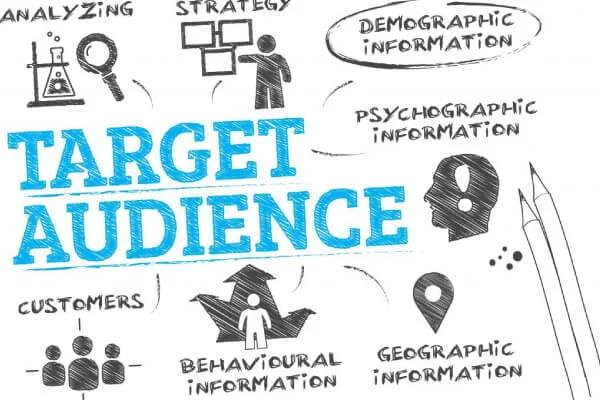
Your ideal clients require more than just simple demographics - you must have a deep understanding of who they are and what they want. Your agency's SEO growth depends on knowing how to identify, understand, and segment your audience precisely.
Build detailed customer personas.
Complete customer personas are the foundations of targeted SEO strategies. Studies show that 63% of consumers believe they're being sold products they don't need. You'll avoid this pitfall and craft messages that appeal to your audience by developing detailed profiles.
Effective personas should include:
- Demographics and professional details
- Lifestyle interests and pain points
- Online behaviour patterns and search habits
- Social media priorities
Multiple data sources contribute to the development of these profiles. Utilise Google Analytics to gain insights into demographics, analyse competitors for shared audience segments, and conduct surveys for direct feedback. Note that personas change and evolve as you collect more data about your audience's priorities.
Map user intent to content types
The reason behind a search matters as much as the search itself. Each query has an underlying intent that fits into one of four categories:
Informational queries use phrases like "what is" or "how to" that indicate users seek knowledge. Commercial investigation queries contain terms like "best" or "compare" when users evaluate options. Transactional searches, which include words like "buy" or "price", signal purchase readiness. Navigational queries want to find specific websites or pages.
Different content formats are suited to each type of intent. Informational queries work best with complete guides. Transactional queries need persuasive landing pages with clear calls to action.
Segment audiences by funnel stage
Your prospects' position in their buying trip matters beyond intent. The marketing funnel typically includes awareness, interest, evaluation, commitment, and sale stages.
Educational content, such as guides and infographics, is most effective for top-of-funnel prospects. Case studies, testimonials, and detailed comparisons appeal more to middle-of-funnel audiences. Bottom-of-funnel content should highlight product overviews, alternatives, and specific use cases that help decision-making.
This strategic approach will give the right message to the right person at the perfect time in their trip.
Build a Content-Led SEO Strategy
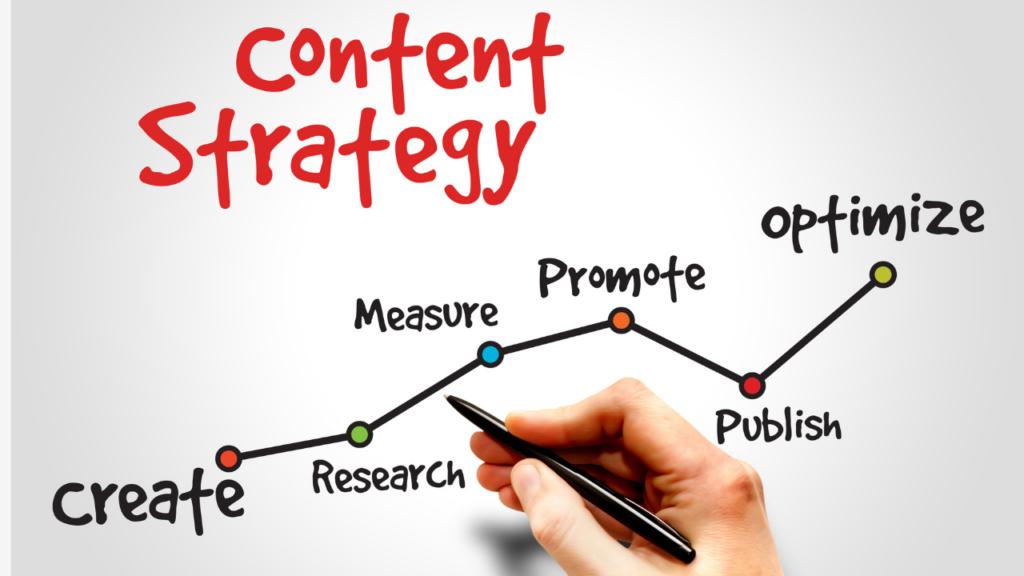
Content powers successful SEO strategies that help agencies attract clients. Your approach should prioritise creating valuable materials. Search engines and users will love this content, and it guides qualified leads to your business.
Use long-tail and comparison keywords.s
Long-tail keywords are specific phrases (typically 3-5 words) that convert more effectively despite having lower search volume. These particular terms matter because 95% of U.S. search queries receive fewer than 10 monthly searches. Google users create brand new searches 15% of the time. This opens up endless opportunities to target specific content.
"Versus" keywords (such as "Tool A vs. Tool B") and "alternative" keywords (like "Tool A alternatives") comprise the two main types of comparison keywords. Keyword tools might show low monthly search volumes for these terms. Yet they bring quality traffic and strong conversions.
Create blogs for discovery and education.
Blog posts remain one of the best SEO content types. Posts that exceed 1500-2000 words work particularly well. This length allows you to add keywords naturally without keyword stuffing. Your educational blog content shows topical authority—a vital factor in modern SEO rankings.
Resource pages that solve specific problems work best. You can create guides, tutorials, or templates that address particular issues your audience faces.
Develop landing pages for conversion.
Great landing pages demonstrate value immediately and drive action. B2B product pages need key features, clear CTAs, and social proof through testimonials. They should also answer common questions about your services.
Incorporate UX and design best practices.
Search engines reward websites that users love. Your SEO success depends on responsive web design, fast loading speeds, easy-to-use navigation, and engaging content layout.
Repurpose content across formats.
Brilliant content repurposing enables your material to reach a wider audience through various channels. This approach maximises value, improves reach, boosts SEO rankings, and attracts new followers. Turn blog posts into social content, videos into written guides, or combine posts into larger resources like ebooks or courses.
Optimise Technical SEO and Authority Signals
Technical optimisation serves as the foundation of any effective SEO agency marketing strategy. Your pages need proper search engine access, understanding, and ranking after you create compelling content.
Fix on-page SEO issues.
Google must properly crawl and index your site. The URL Inspection Tool in Search Console helps verify how Google views your pages. You should check for broken links, duplicate content, and crawl errors. These problems can significantly harm your rankings because they send negative signals to search engines, which can negatively impact your search engine rankings. Your SEO ranking and user experience stay intact when you implement proper redirects (301 or 302) during page migration.
Improve site speed and mobile responsiveness.
Page speed is a confirmed Google ranking factor on desktop and mobile devices. Users leave sites that take more than three seconds to load. Tools like Google's PageSpeed Insights or Semrush's Site Audit help you review performance. These key improvements make a difference:
- Compressing images
- Minifying CSS, JavaScript, and HTML
- Reducing HTTP requests
- Leveraging browser caching
Google uses mobile-first indexing to look at mobile versions of pages for indexing and ranking content. Your site should provide a consistent experience across all devices.
Implement structured data
Structured data helps Google better understand the context of your content. Sites with structured data have achieved click-through rates up to 25% higher than those without it. Users spend 1.5x more time on pages that have structured data. Schema.org vocabulary works best; however, it is recommended to follow Google Search Central documentation for implementation.
Build high-quality backlinks
Quality backlinks tell Google about your site's authority. You should get links from relevant, high-domain authority sites in your industry. Guest blogging on prominent industry blogs with high authority is an effective way to acquire valuable backlinks.
Use internal linking to guide crawlers.
Internal links indicate to Google how pages relate to one another and establish the site hierarchy. Search engines find new content by following links from known pages. This practice spreads link equity across your site and boosts overall SEO performance. Search engines consider pages with only one internal link to be less critical, so you need to use detailed internal linking.
Conclusion
SEO strategies are the lifeblood for agency growth in today's competitive digital world. This piece examines the proven strategies that successful agencies employ to attract and retain clients. These strategies are effective because they focus on fundamental principles rather than chasing algorithm changes.
Your first step toward measurable success starts with clear business objectives. Skip vague goals like "improved rankings" and focus on specific outcomes tied to revenue and growth. A detailed understanding of your ideal clients through personas helps you create targeted content that truly meets their needs.
Content rules the SEO world, especially when you have strategic long-tail and comparison keywords. Your blogs and landing pages should complement each other. Blogs build authority and drive discovery while landing pages turn that traffic into leads.
Technical SEO might be less visible to clients, but it makes everything else possible. Quick loading speeds, mobile responsiveness, structured data, and high-quality backlinks signal to search engines the credibility of your site.
It's worth mentioning that SEO for agency growth needs consistency and patience. Results take time, but agencies committed to these proven strategies see significant improvements within months.
Now is the perfect time to implement these strategies. Many agencies struggle to manage their SEO while focusing solely on client work – this creates an opportunity for you to shine. You'll attract more business and showcase your expertise through real results by applying these proven techniques to your marketing.
SEO success stems from striking a balance between technical optimisation and genuine value creation. Potential clients who find your agency through a search should find content that helps them, making you their clear choice for SEO services.