
Key Takeaways
- Organic visibility without paying for ad clicks
- Better user experience, readability, and online trust
- Technical, on-page, and off-page optimization balance
- Sustainable long-term traffic growth for websites
- Search engine optimization core fundamentals explained simply
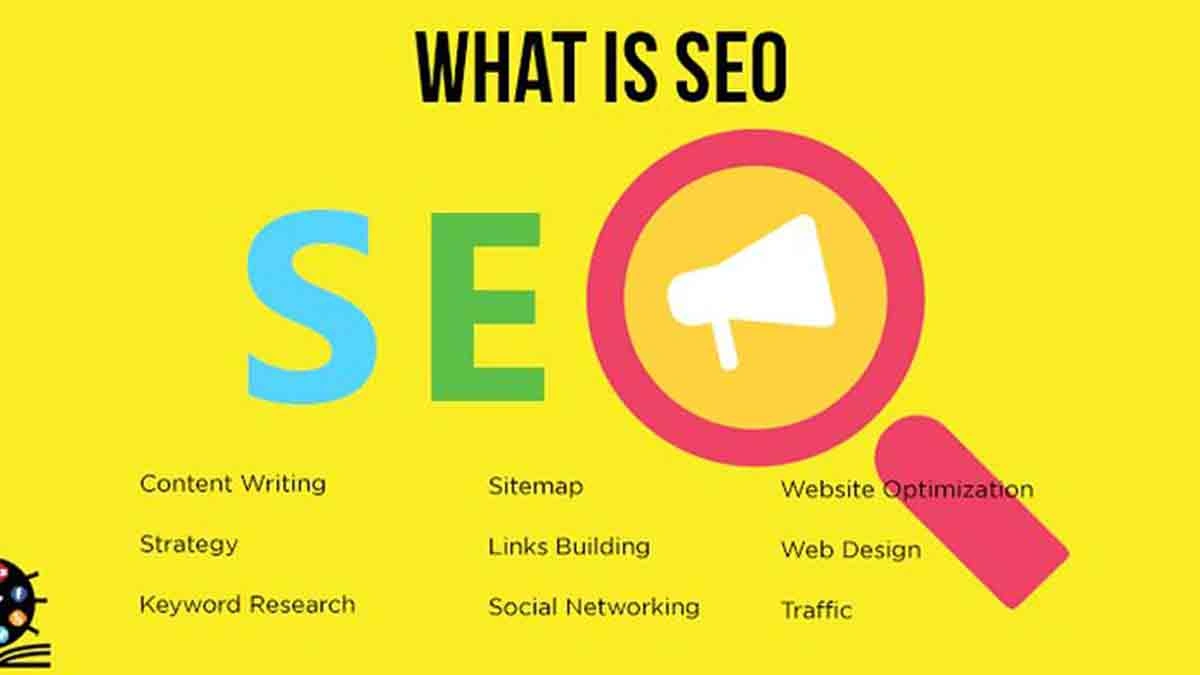
Have you ever wondered how Google magically picks which website shows up first when you search for something online? What is SEO, SEO stands for search engine optimization, which is the practice of setting up your website so it ranks higher in search results when people look for your products, services, or topics.
Put simply, search engine optimization is all about making your website easy to find, clear to read, and genuinely useful for real human visitors. When you understand what is SEO, you can unlock a continuous flow of organic visitors without spending a single dollar on paid ads.
AI Overview
What is SEO? Search engine optimization is the process of improving your website to increase its visibility in organic search engine results. By creating high-quality content and ensuring strong technical performance, you help search engines like Google understand and recommend your pages. Understanding what is SEO allows businesses to build long-term online authority, drive relevant web traffic, and connect directly with searchers looking for real solutions.
SEO Meaning and Core Concepts
To understand the seo meaning clearly, it helps to break down the seo full form, which is search engine optimization.
- Search represents the query or question a user types into Google or Bing.
- Engine refers to the complex software algorithms that discover and index content.
- Optimization means the specific improvements you make to your pages to show value.
When exploring seo for beginners, you quickly learn that search engines do not read web pages the way humans do. Instead, they send out automated programs known as crawlers or spiders.
These crawlers travel from link to link across the internet, gathering information about every page they visit. Once analyzed, these pages are stored in a massive digital library called an index. Learning the seo basics gives you the exact tools needed to ensure your pages get indexed and displayed to the right audience.
How Does SEO Work?
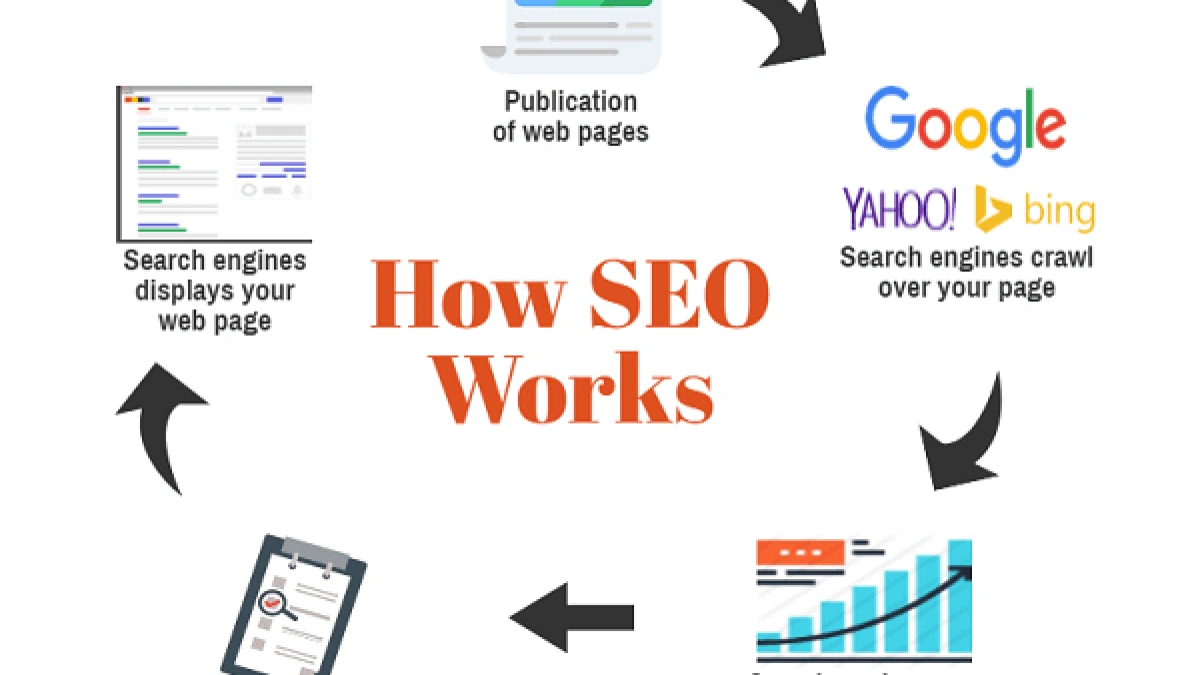
So, What is SEO and how does SEO work behind the scenes? Search engines evaluate hundreds of signals before deciding where a web page should rank.
The Three Stages of Search
- Crawling: Search engines discover new or updated content on the web using links and sitemaps.
- Indexing: The search engine organizes and stores the discovered web pages inside its digital database.
- Ranking: The algorithm evaluates indexed pages to display the most relevant results to the user.
When building a website, clear layout choices play a major role in how easily bots read your pages. Digital teams at memorabledesign.com often emphasize that clean site architecture helps both human visitors and automated crawlers navigate content smoothly.
Types of SEO
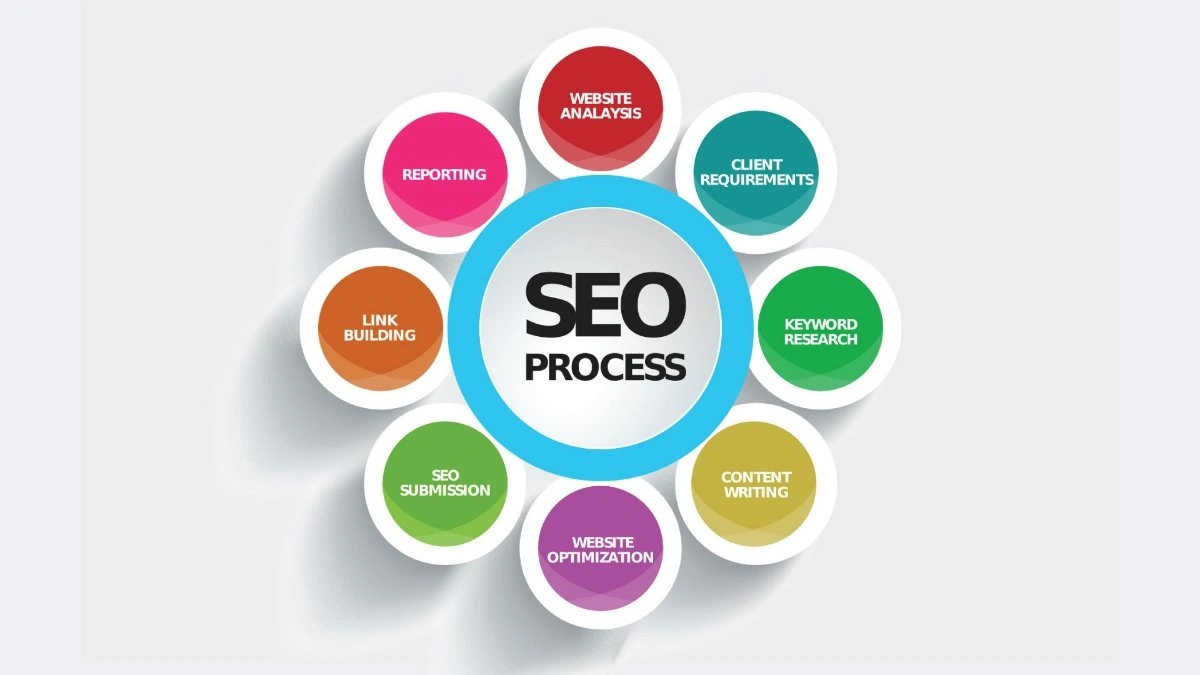
When looking at What is SEO and the different types of SEO, it helps to view them as supporting pillars working together to build site authority.
| SEO Pillar | Primary Focus | Key Tasks | Main Goal |
| On-Page SEO | Content & User Experience | Keyword placement, headlines, alt text, content structure | Align content with user search intent |
| Off-Page SEO | Reputation & Backlinks | Backlink acquisition, guest articles, digital PR, brand mentions | Build trust and domain authority across the web |
| Technical SEO | Performance & Crawlability | Page load speed, mobile optimization, HTTPS security, sitemaps | Ensure search engines can access and read pages |
| Local SEO | Geographic Search Results | Google Business Profile, local citations, reviews | Capture nearby searchers looking for local services |
On-Page SEO Essentials
On-page optimization focuses entirely on elements you control directly on your web pages.
Matching Search Intent
Search intent refers to why someone performs a search in the first place. Are they looking to buy a product, find a specific homepage, or learn how to solve a problem?
When applying seo for beginners, matching search intent must always take priority over everything else. If a user wants a simple answer, giving them a long sales pitch will make them leave immediately.
Smart Keyword Placement
Keywords act as digital bridges connecting user questions to your content solutions. Once you find relevant terms, include them naturally across your page:
- Main headlines and subheadings
- The opening introductory paragraph
- Page meta title and description
- Image file names and alt tags
Always avoid keyword stuffing. Modern algorithms easily detect forced keywords and will penalize sites that prioritize keyword density over readability.
Formatting for Readability
Clear formatting keeps human readers engaged longer on your page. Thoughtful typography and clean layouts from design agencies like memorabledesign.com signal to search engines that your content provides a great user experience.
Off-Page SEO and Building Authority
While on-page changes show what your page is about, off-page strategies prove to search engines that your content is trustworthy.
The Power of Backlinks
A backlink occurs when another website places a link pointing to your page. Search engines view backlinks like digital votes of confidence. When authoritative sites link to you, algorithms assume your content is accurate and reliable.
Brand Mentions and Trust
Off-page signals also include positive online reviews, social discussions, podcast features, and press coverage. The more recognized your brand becomes across the web, the higher your pages tend to rank.
Technical SEO Fundamentals
Even the best written content will struggle to rank if your website is broken, slow, or unsafe. Technical search engine optimization guarantees that your platform meets modern web standards.
- Mobile Responsiveness: Make sure your website looks and works great on smartphones.
- Page Load Speed: Compress large images and streamline code so pages open in under two seconds.
- Security Protocols: Use HTTPS encryption to protect user data and maintain browser trust.
- Sitemaps: Submit a clean XML sitemap to help search engines discover new content instantly.
- Fix Broken Links: Remove dead links and 404 errors to maintain clean navigation.
Modern Search in 2026: AEO and E-E-A-T
Search standards continuously evolve to reward helpful content over artificial optimization tricks. Today, search engines evaluate content based on Experience, Expertise, Authoritativeness, and Trustworthiness (E-E-A-T).
Understanding Answer Engine Optimization (AEO)
With the rise of AI search overviews and conversational assistants, strategy now includes Answer Engine Optimization (AEO). AEO focuses on structuring content so AI search tools can quickly fetch direct answers. To optimize for answer engines, state short and direct answers immediately under your section headings.
| Metric | Traditional SEO | Answer Engine Optimization (AEO) |
| Primary Goal | Rank in blue web links | Appear in AI summaries and voice answers |
| Content Style | Detailed guides and articles | Direct, short, and structured answers |
| User Action | Clicks link to visit site | Receives immediate answer on search page |
Common SEO Mistakes to Avoid
When mastering the seo basics, avoiding common traps is just as important as following best practices.
- Expecting Instant Rankings: SEO takes time. Realistically, organic growth takes three to six months to show significant results.
- Ignoring Mobile Users: More than half of global web traffic comes from mobile devices, making mobile design essential.
- Targeting High Volume Keywords Only: Ranking for broad terms with zero buyer intent brings useless traffic. Focus on topics your specific target audience cares about.
- Overusing Keywords: Forcing repetitive phrases ruins sentence flow and lowers content quality.
Measuring Your SEO Performance
How do you know if your search engine optimization tactics are actually working? You can track progress using free tools like Google Search Console and Google Analytics.

- Organic Traffic: The total number of visitors arriving from unpaid search results.
- Search Impressions: How many times your website appears in search results pages.
- Click-Through Rate (CTR): The percentage of searchers who see your link and click on it.
- Conversion Rate: The percentage of search visitors who take a desired action, like signing up or buying a product.
Pairing strong content strategy with clean visual presentation like the solutions created by memorabledesign.com—helps convert organic visitors into loyal customers.
Conclusion
Understanding what is SEO gives you the power to grow your website organically over time. By combining helpful content, smart keyword placement, strong technical health, and authentic brand trust, you build a foundation for long-term search visibility. Start by focusing on user intent, optimizing a few key pages, and keeping your website experience clean and readable. As search engines continue to evolve, staying committed to genuine value will ensure your site continues to rank high and attract the right audience.
Frequently Asked Questions
What is SEO in simple terms?
SEO means optimizing your website structure and content so search engines can easily find, understand, and display your pages to search users.
How does SEO work for beginners?
Search engine bots crawl your web pages, store them in a searchable index, and rank the best pages based on relevance and user trust.
What is SEO full form?
The full form of SEO is Search Engine Optimization, which focuses on improving unpaid organic search visibility on search engines.
What are the main types of SEO?
The four main types are on-page SEO, off-page SEO, technical SEO, and local SEO, each targeting a different aspect of site performance.
