
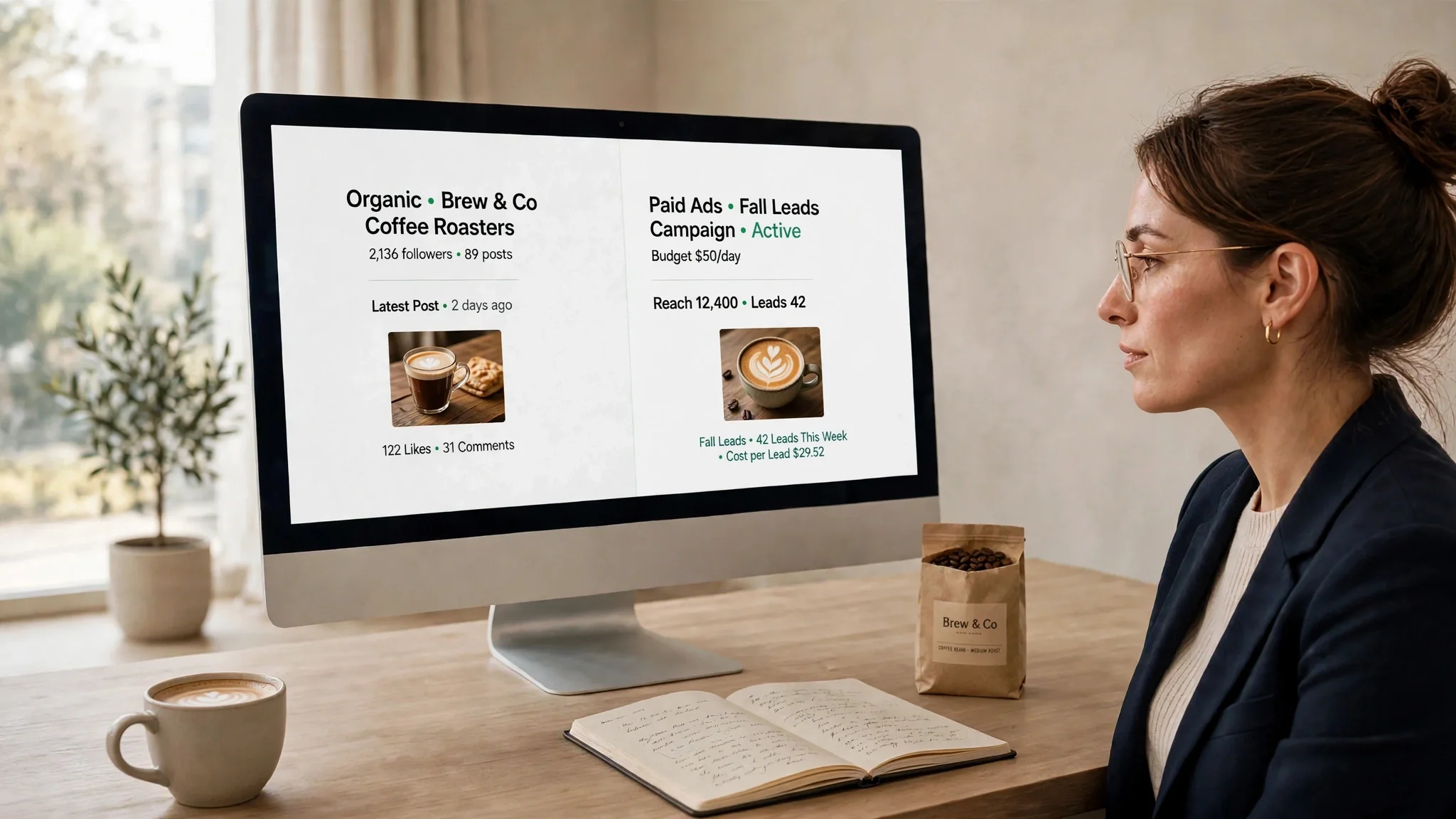
If you are comparing organic social vs paid social as lead generation channels, you are comparing two tools that share a platform but obey different laws. One builds an audience that knows your name. The other rents access to an audience chosen by algorithm and budget. Both can produce leads, but they produce them in very different ways.
Here is the direct answer. Paid social generates leads faster and with precise targeting, because you pay to reach exactly the people you choose, and results arrive within days. Organic social builds trust and brand recognition at almost no cost per impression, but leads arrive slowly and inconsistently, and reach has declined so far on most platforms that organic alone rarely fills a pipeline. For lead generation, paid social is the workhorse. For long term brand equity that makes every paid lead cheaper, organic social is the investment. Businesses that treat social as a lead channel run paid. Businesses that treat social as a brand asset keep organic alive while paid carries the load.
I have watched social media mature from a free traffic paradise into a pay to reach marketplace, and the businesses that understood this shift early saved enormous budgets. Let me walk you through how each approach actually generates leads, what each costs in real terms, and how to combine them sensibly.
The Core Difference: Earning Attention vs Buying Attention
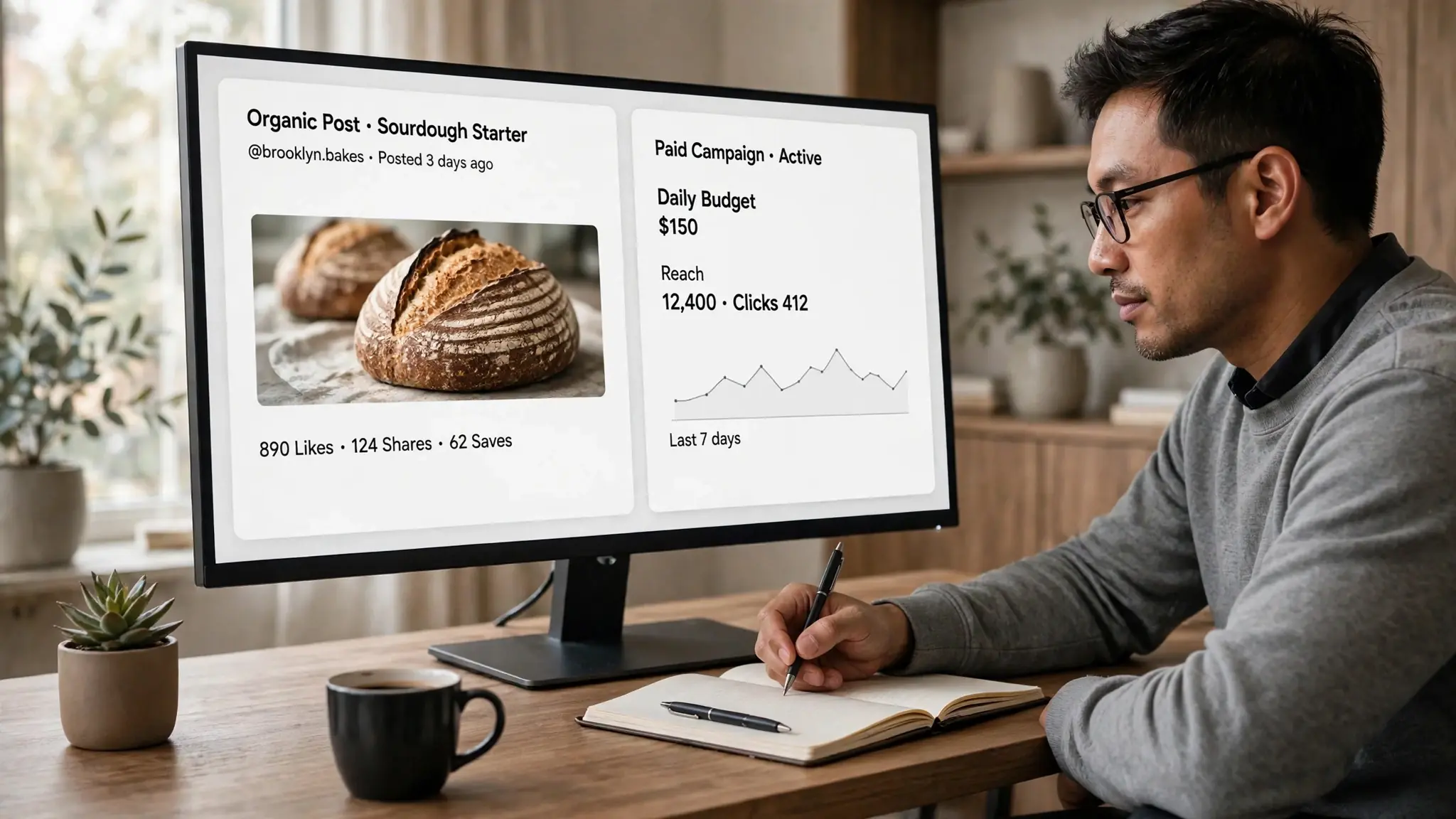
Every platform that hosts a social feed runs the same business model. It collects enormous attention, then sells slices of that attention to advertisers. Organic social plays inside the free tier of that system. Paid social plays inside the commercial tier.
Organic social means posting content on your profiles and hoping the platform shows it to your followers and beyond. When it works, it is beautiful. A helpful post gets shared, a video travels, and strangers discover your brand because another human endorsed it. Those leads arrive with borrowed trust, which is the warmest kind of introduction a business can receive.
Paid social means running advertisements through the platform's system, choosing exactly who sees them by location, interests, and behavior, and paying for each impression or click. The reach is reliable and the targeting is surgical, but the audience owes you nothing, and your creative must earn attention in a feed designed to ignore ads.
The critical asymmetry is reach. On most major platforms today, organic posts reach a small fraction of followers, because feeds are crowded and algorithms favor paid content. Organic reach has fallen so dramatically over the years that treating organic posting as a primary lead channel is now a mistake for most businesses. It remains valuable, but its value has shifted from traffic to trust.
Paid Social for Lead Generation: Speed and Precision
Paid social earns its budget through control. You select the audience by demographics, interests, behaviors, and even recent life events. You select the message, test several versions, and keep the winner. You select the destination, sending clicks to a landing page built for one job. And you select the budget, scaling up the moment a campaign produces leads profitably.
This control makes paid social one of the fastest lead generation systems available. A campaign built on a Monday can produce leads by Friday. Testing happens at remarkable speed, because platforms optimize delivery toward whichever ad version performs, effectively running experiments for you around the clock.
The costs are honest and ongoing. You pay for every result, auction prices rise as competitors arrive, and the leads stop the moment the budget stops. Lead quality also varies more than beginners expect, because a person tapping a lead form inside a social app is often curious rather than committed, and those leads need fast, persistent follow up to convert. The businesses that win with paid social treat lead response speed as part of the advertising system itself, since a lead answered within minutes closes at rates that no creative improvement can match.
Organic Social for Lead Generation: Trust Compounding
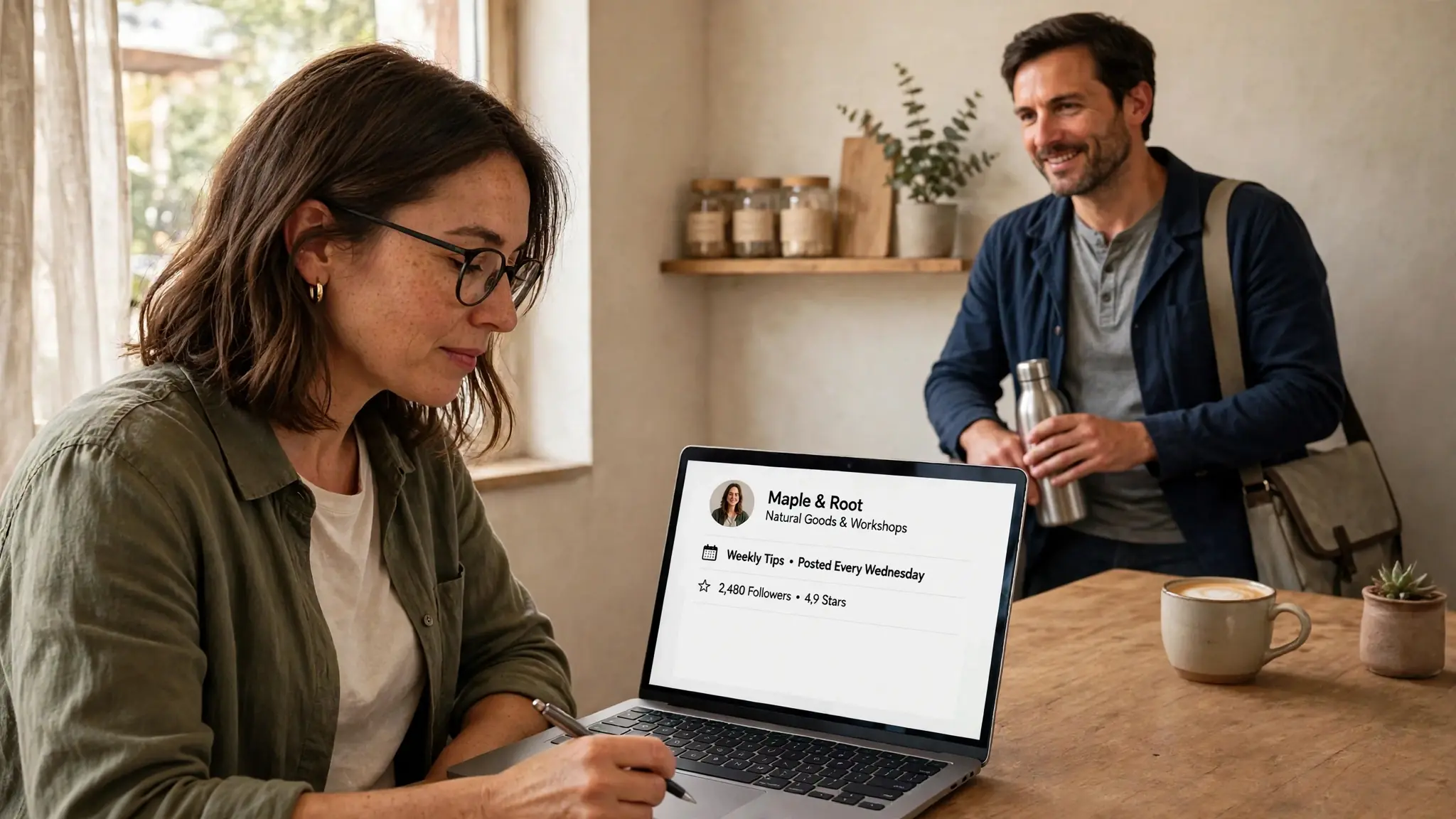
Organic social earns its keep through a different currency entirely. Every genuinely helpful post, every honest answer in the comments, and every piece of content worth sharing builds a public record of expertise. Over months and years, that record compounds into something paid advertising cannot buy: a brand people recognize and trust before they ever need it.
This matters for lead generation more than the raw numbers suggest. When a prospect who has followed your content for six months finally fills out a form, they arrive pre sold. They know your philosophy, they have seen your work, and the sales conversation starts at a completely different temperature. Organic social also feeds the paid system, because warm audiences who recognize your name convert far better than cold ones, which is why retargeting past engagers is consistently among the cheapest lead sources on these platforms.
The weaknesses are structural. Organic reach is limited and unpredictable, so a single viral moment cannot be scheduled or repeated on demand. The time investment is real, because organic audiences expect consistency, and a profile that posts three times in one week and then goes silent loses momentum faster than it gained it. And attribution is genuinely hard, since a follower may read twenty posts over a year before converting, long after any tracking system remembers the first touch.
Organic Social vs Paid Social: The Honest Cost Comparison
Direct costs tell only part of this story, so let us count honestly.
Paid social costs money every day. Budgets for small business lead generation commonly run from a few hundred to a few thousand dollars per month, plus the cost of creative production, and every dollar is an expense that stops producing the moment it stops flowing. The advantage is predictability, because spend and results correlate tightly once campaigns are tuned.
Organic social costs time, and time is the most underestimated expense in marketing. Producing content worth following takes real hours every week, whether that is your hours or a hire's, and the returns lag the effort by months. The advantage is that the asset persists. A library of strong posts keeps working while you sleep, costs nothing to maintain, and keeps earning trust long after the effort that created it.
The crossover logic mirrors every owned versus rented comparison in marketing. Paid social leads look cheaper for the first six months. From the second year onward, organic authority produces leads and conversion lift at almost no marginal cost, and it quietly makes the paid campaigns cheaper too. Our comparison of content marketing versus paid advertising covers this same owned versus rented dynamic in the broader marketing picture.
How to Combine Both Channels Properly
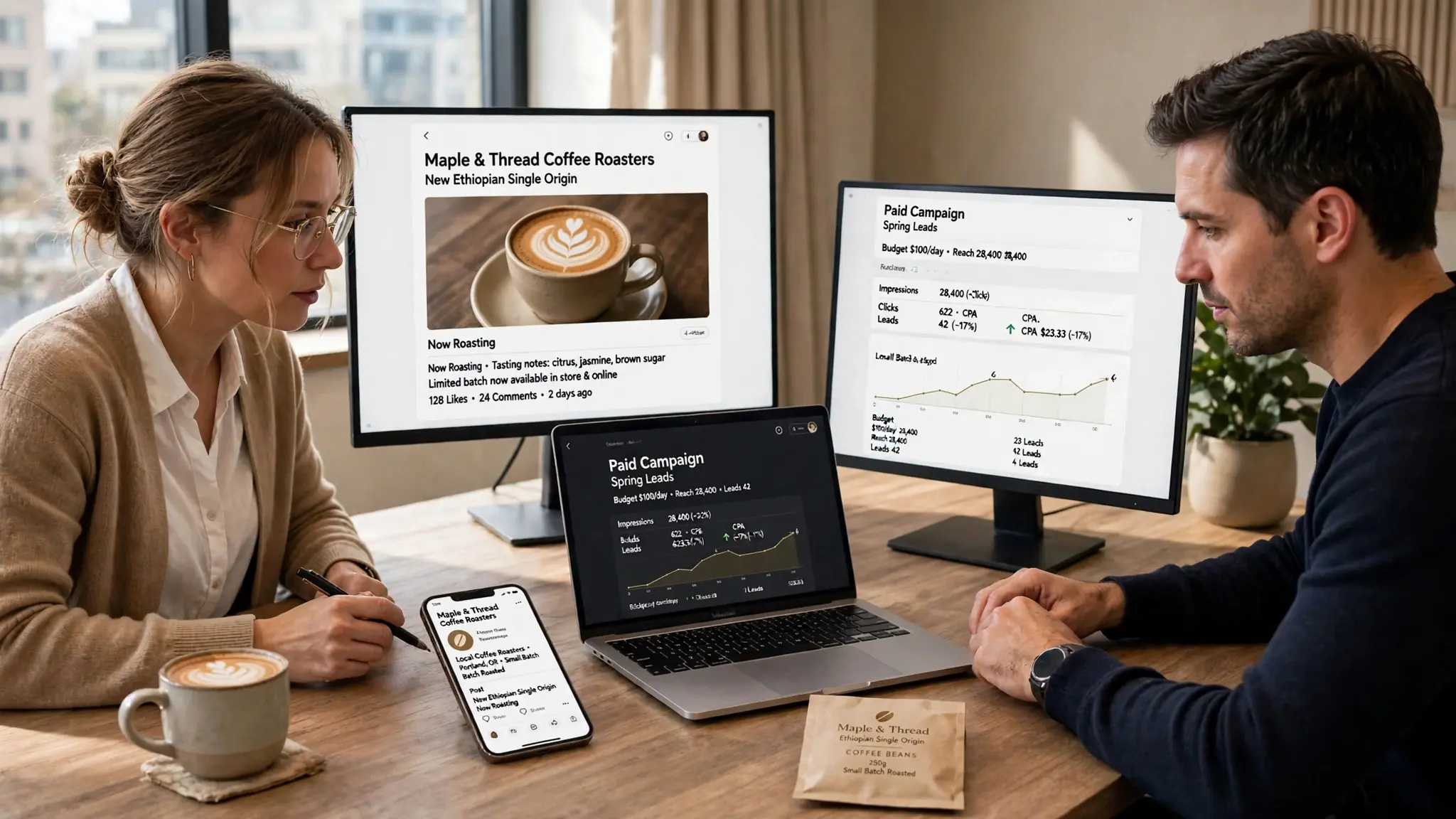
The strongest social programs refuse to choose, and the combination is simpler than most businesses make it.
Use paid social for what it does uniquely well: predictable lead generation from targeted audiences, rapid testing of offers and messages, and retargeting of everyone who engaged with your brand anywhere. Use organic social for what it does uniquely well: building the trust that raises conversion rates across everything else, keeping your brand visible between purchases, and giving your paid audiences something worth finding when they look you up.
The practical sequence matters. Before spending heavily on paid, make sure your profile tells a credible story, because every ad click ends with a curious visitor checking who you are. Publish consistently at a pace you can sustain forever, even if that is only two or three posts per week, because consistency beats intensity. Then run paid campaigns against cold audiences for volume and against warm audiences for efficiency, and let the retargeting bridge carry people from awareness to lead. Our guide comparing Google Ads versus Meta Ads covers the platform and placement decisions inside that paid system for local service businesses.
Mistakes That Waste Social Budgets
Social media consumes more wasted budget than almost any other channel, and the same mistakes appear everywhere.
On the paid side, the biggest mistake is boosting posts instead of building real campaigns, because boosted posts optimize for engagement rather than leads, and engagement does not pay invoices. The second mistake is sending ad clicks to a generic homepage instead of a focused landing page. The third is judging campaigns too early, before the platform has gathered enough data to find the audience that converts.
On the organic side, the biggest mistake is posting promotional content into a feed where promotion is the one thing audiences scroll past. Organic social rewards helpfulness, personality, and consistency, in that order. The second mistake is quitting during the silent months before trust compounds, which is exactly when most businesses abandon the channel.
On both sides, the deepest mistake is tracking likes and followers instead of leads and revenue. Those vanity numbers feel like progress and correlate with it so weakly that entire strategies have been built on mirages.
Frequently Asked Questions
Is organic social or paid social better for lead generation?
Paid social is better for direct lead generation because it offers targeting, speed, and predictable volume. Organic social supports lead generation by building trust and lowering costs, but it rarely produces leads fast enough to carry a pipeline alone.
How much does paid social lead generation cost?
Costs vary widely by industry and audience, but most small businesses test with a few hundred to a few thousand dollars per month. The meaningful metric is cost per qualified lead, not cost per click.
Does organic social media still work with low reach?
Yes, but its role has changed. Organic social now works best for trust, retargeting audiences, and brand credibility rather than raw traffic, because organic reach on most platforms reaches only a fraction of followers.
How often should a business post organically?
Consistency matters more than volume. Two or three quality posts per week sustained for a year beats daily posting for one month followed by silence.
Can I run paid social without organic content?
You can generate leads with paid alone, but you will pay more for them. Audiences who check your profile and find an empty or stale page convert worse than those who find a credible, active presence.
