

Memorable brands aren’t built on logos or trends, but on psychology. In 2026, brands stick by creating emotional connections, staying consistent, and keeping things simple. When people can recall and feel something about a brand without prompts, it becomes a lasting mental shortcut that drives real loyalty and decisions..
You have probably seen a hundred beautifully designed logos this week alone. How many do you remember? Most brands spend thousands chasing the latest visual trends, only to be forgotten the moment the scroll ends. The real memorable brand meaning goes much deeper than aesthetics.
In 2026, a brand is memorable not because of how it looks, but because of how it makes people feel and what it consistently stands for. This post breaks down the actual psychology behind brand memorability, with clear frameworks, real examples, and actionable insights you can apply whether you are building from scratch or refreshing an existing identity.
What Does Memorable Brand Actually Mean?
The word memorable gets used loosely in the marketing world. Let us define it properly.
A memorable brand is one that a person can identify, recall, and feel something about without being prompted. It is not just recognition. Recognition is passive. Memorability is active. It means your brand occupies mental real estate in the minds of your audience even when you are not actively advertising.
Think about how you can picture the Spotify green without hearing the name. Or how the Intel jingle plays in your head before you even finish reading this sentence. That is not design. That is psychology at work.
Memorable Brand Meaning: A Simple Definition
A memorable brand is a business identity that creates consistent emotional and cognitive associations strong enough to be recalled without visual cues, making it a first choice when a buying decision arises.
The Psychology Behind Why Brands Stick
Understanding brand psychology is the foundation of building something people actually remember. There are specific psychological mechanisms at play, and the best brands in the world engineer them intentionally.
The Brain Prefers Shortcuts
Cognitive fluency is the term psychologists use to describe how easily the brain can process information. The goal is not to overload memory but to design mental shortcuts, what psychologists call cognitive fluency. When a brand is simple, consistent, and clear, the brain files it away efficiently. When it is complicated or inconsistent, the brain discards it.
This is why simplicity is not just an aesthetic choice. It is a neurological strategy.
Emotions Are the Storage System
Here is the part most brand owners miss. According to Harvard professor Gerald Zaltman, 95% of purchasing decisions are made subconsciously, driven by emotion, not logic. Your brand is not competing in the logical mind of your customer. It is competing in the emotional one.
Emotionally charged brands are remembered up to twice as much as neutral ones. Whether it is joy, nostalgia, pride, or surprise, emotional experiences imprint deeper in the brain's long-term memory system.
The Mere Exposure Effect
There is a psychological phenomenon called the mere exposure effect. This phenomenon suggests that our preference for something grows the more we are exposed to it. In other words, familiarity breeds affection.
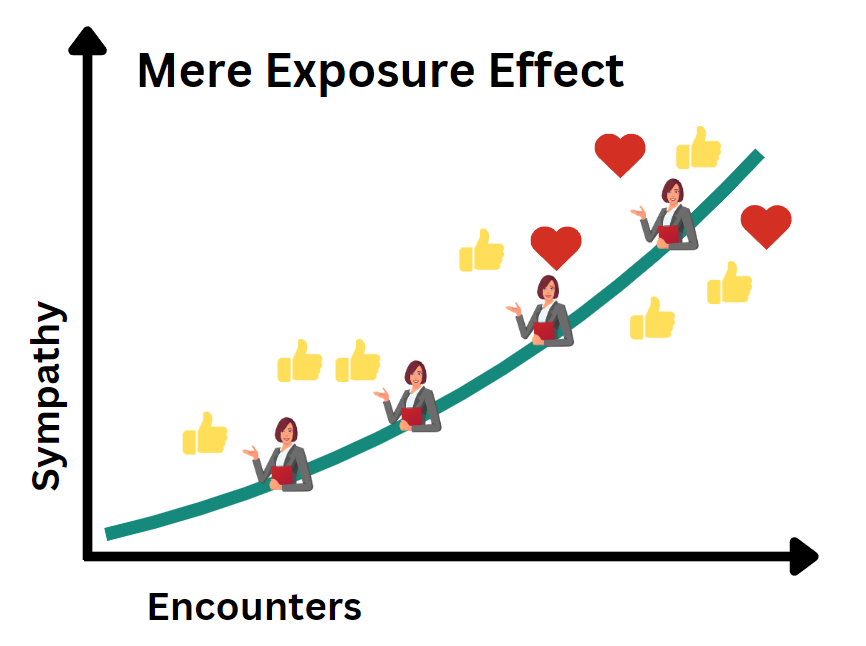
This is why consistency across every touchpoint matters so much. Every time someone encounters your brand, they are not just seeing it. They are warming to it.
Core Pillars of a Memorable Brand in 2026
The table below breaks down the five core pillars of a truly memorable brand, what each one means in practice, and what happens when it is missing.
| Pillar | What It Means | What Happens Without It |
|---|---|---|
| Emotional Connection | Brand triggers a feeling, not just a thought | Forgettable, transactional interactions |
| Consistency | Same voice, visuals, and values everywhere | Confusion and loss of trust |
| Simplicity | Clear message, easy to recall name and look | Brain discards it as too complex |
| Distinctiveness | A reason to be noticed in a crowded space | Blends into the background |
| Authentic Story | Real narrative that people want to retell | Feels hollow, performative branding |
Emotional Branding: The Strategy That Separates Good Brands From Great Ones
Emotional branding is not about making people cry in your ads. It is about creating a consistent feeling that people associate with your brand every single time they encounter it.
Humans remember how you made them feel more than what you told them. Brands that connect emotionally, through storytelling, shared values, or experiences, are far more likely to be remembered.
The best example of this in practice is Nike. Their products are sports gear. But their brand makes people feel capable, powerful, and driven. The product is functional. The brand is emotional. That gap between the two is where loyalty lives.
Dove does the same thing from a completely different angle. Rather than selling beauty products, they sell self-acceptance. Dove taps into self-acceptance and vulnerability as core emotional triggers, creating a brand identity that resonates far beyond moisturizer.
The Emotional Branding Spectrum
| Emotion Targeted | Brand Example | Outcome |
|---|---|---|
| Empowerment | Nike | Deep personal identity connection |
| Nostalgia | Coca-Cola | Long-term loyalty and warmth |
| Self-acceptance | Dove | Community and trust |
| Humor | Mailchimp | Relatability and recall |
| Curiosity | Apple | Aspiration and excitement |
| Belonging | Harley-Davidson | Tribe mentality, cult following |
Brand Psychology: The Specific Mechanisms That Build Memory
Brand psychology is a field that explains how people perceive, store, and respond to brand information. In 2026, with more content competing for attention than ever before, understanding these mechanisms is not optional. It is essential.
The Von Restorff Effect
Also known as the isolation effect, this principle states that things which stand out are more likely to be remembered. The Von Restorff Effect suggests that items that stand out are more likely to be remembered. A misspelled word or unexpected color palette can be more effective than a polished campaign.
This explains why brands that take a bold, unexpected creative risk often outperform brands with a technically perfect but forgettable identity.
Dual Coding Theory
When visual and verbal cues are paired meaningfully, like Duo's image with witty push notifications, the brain encodes and stores the information more effectively. This is why a strong logo paired with a consistent tagline creates a more durable memory than either element alone.
Anthropomorphism
Giving a brand human-like traits dramatically increases emotional connection. Anthropomorphizing brands creates emotional closeness. Duo's quirkiness generates empathy and narrative association, which increases stickiness.
Duolingo's green owl mascot is arguably the most successful example of this in the last decade. It is not just a logo. It is a personality.
Audio Branding
According to Oxford University research, sonic logos can be recognized within 0.2 seconds and create faster emotional recall than visuals alone.
Intel, McDonald's, and Netflix all use audio signatures that trigger instant brand recognition before the eye has finished processing the screen. Most brands completely ignore this lever.
Consistency: The Most Underrated Brand Weapon
Consistency is not exciting. That is probably why so many brands are inconsistent. But the data on it is impossible to ignore.
Consistency increases brand recognition by up to 80%, making it essential for long-term memorability.
In 2026, design consistency must stretch across multi-device ecosystems, from websites to wearable interfaces. Your brand's digital presence should trigger recognition at a glance, on any platform.
The brands that struggle most with memorability are not the ones with bad logos. They are the ones that show up differently depending on where you find them. Different tone on Instagram versus their website. Different colors in their ads versus their emails. Every inconsistency chips away at the mental association being built in the audience's brain.
Brand Consistency Audit: What to Check
| Touchpoint | What to Verify |
|---|---|
| Website | Colors, fonts, tone of voice |
| Social media profiles | Visual style, posting voice, brand values |
| Email communications | Tone, signature style, visual elements |
| Paid advertising | Consistent messaging and visual identity |
| Customer service | Brand voice in responses and follow-ups |
| Packaging or digital products | Unified design language |
Storytelling: The Oldest and Still Most Powerful Brand Tool
Humans are hardwired for stories. A good brand story makes your audience feel something and when they feel, they remember.
In 2026, story is not a marketing add-on. It is the structure upon which the entire brand is built. Consumers do not just want to know what you sell. They want to know why you exist, what you stand for, and whether your values align with theirs.
Gen Z and Millennials care about who they buy from. Brands that ignore social, environmental, and ethical issues are being left behind. Transparency, activism, and conscious practices make your brand more than a product. They make it a movement.
The story does not have to be dramatic. It has to be real. Consumers in 2026 are remarkably good at detecting inauthenticity. Performative branding, like adding a rainbow logo for one month a year without any genuine commitment, is now actively damaging to brand perception.
The Difference Between a Forgettable Brand and a Memorable One
This table summarizes the key differences between brands that get forgotten and brands that stick.
| Factor | Forgettable Brand | Memorable Brand |
|---|---|---|
| Focus | Chases design trends | Builds emotional consistency |
| Voice | Changes depending on platform | Unmistakably the same everywhere |
| Story | Product features and benefits | Values, purpose, and human connection |
| Customer experience | Transactional | Creates moments people talk about |
| Visual identity | Complex, cluttered, trendy | Simple, distinctive, intentional |
| Emotional trigger | None, or accidental | Deliberate and consistent |
| Community | Audience | Tribe |
Practical Steps to Build a Memorable Brand in 2026
Understanding the theory is only half the work. Here is a practical framework to apply it.
Step 1: Define Your Emotional Core Before you choose colors or write copy, decide what feeling you want to own. Not a category like trust or quality. A specific emotion. The feeling of starting over. The comfort of being understood. The confidence of knowing more than everyone else in the room. Own one emotional truth completely.
Step 2: Build a Consistent Brand Voice Memorable brands use linguistic consistency. Their words form an emotional fingerprint. Use signature phrases, maintain rhythm and repetition in messaging, and build a distinct voice archetype whether that is mentor, challenger, creator, or sage.
Step 3: Simplify Everything When you embrace simplicity with your visual identity, you make your brand easy to remember and recognize. Pair simplicity with brand consistency and you will increase brand awareness with new audiences.
Step 4: Create Experiences, Not Just Impressions Memories form when people experience something, not just when they see an ad. Great brands create moments, whether online or in person, that people cannot help but talk about. Turn transactions into experiences and you will stick in their minds.
Step 5: Audit Every Touchpoint Quarterly Audit your brand across all touchpoints every quarter. Ask: is this undeniably us If the answer is no, fix it before it erodes the memory bank you have been building.
Brand Memorability vs Brand Recognition: Know the Difference
These two terms are often used interchangeably, but they describe very different things.
| Concept | Definition | Example |
|---|---|---|
| Brand Recognition | Identifying a brand when prompted by a visual cue | Seeing the golden arches and knowing it is McDonald's |
| Brand Recall | Thinking of a brand without any visual prompt | Thinking of McDonald's when someone says fast food |
| Brand Memorability | Being recalled AND creating an emotional response | Craving McDonald's because of a childhood memory attached to the brand |
Most brand strategies target recognition. The most powerful brands in the world target memorability because it drives behavior, not just awareness.
Conclusion
The memorable brand meaning in 2026 has nothing to do with following design trends or spending more on ads. It is about using brand psychology and emotional branding to create associations so consistent and so emotionally resonant that your audience cannot help but remember you.
The brands that win are not always the most beautiful. They are the most human. They show up the same way every time. They make people feel something real. They tell stories worth repeating. And they build systems around consistency that compound over time.
If you are building or refreshing a brand and you want to do it with genuine strategy behind every decision, visit memorabledesign.com for expert insights, tools, and creative frameworks that help you build something people actually remember.
FAQs: Memorable Brand Meaning and Strategy
Q1: What is the real meaning of a memorable brand?
A memorable brand is one that people can recall and feel emotionally connected to without being prompted. It combines consistent visuals, a clear voice, and deliberate emotional triggers to stay in the minds of its audience long after the first encounter.
Q2: What is emotional branding and why does it matter?
Emotional branding is the strategy of connecting your brand to a specific feeling rather than just a product feature. It matters because people make purchasing decisions emotionally first and justify them logically afterward. Brands that trigger strong emotions are remembered up to twice as effectively as neutral ones.
Q3: What role does brand psychology play in making a brand memorable?
Brand psychology explains how the human brain processes, stores, and retrieves brand information. It covers principles like the mere exposure effect, cognitive fluency, dual coding theory, and emotional memory encoding. Understanding these allows brands to be designed for the brain, not just the eye.
Q4: How important is consistency to brand memorability?
Extremely important. Consistency increases brand recognition by an estimated 80%. Every time a brand shows up differently across platforms, it weakens the mental associations being built with the audience. In 2026, consistency must extend across every digital and physical touchpoint.
Q5: Can a small brand be as memorable as a big one?
Absolutely. Memorability is not about budget. It is about clarity, emotional connection, and consistency. A small brand with a clear identity, a strong story, and a consistent voice can be far more memorable than a large brand that communicates inconsistently or emotionally disconnects from its audience.
