

Best Newsletter Platforms in 2026: Top 15 Compared | Memorable Design

Jul 1, 2026 | 0 comments

Best Newsletter Platforms in 2026: Top 15 Compared | Memorable Design

Newsletter platforms help businesses, creators, and publishers build, manage, and grow an email audience. The best platform depends on your goals. Beehiiv is ideal for media-style newsletters, Kit is built for creators, Klaviyo leads in ecommerce, and ActiveCampaign offers advanced automation. This guide compares the top platforms based on pricing, features, monetization, deliverability, and long-term value.

Newsletter platforms have become one of the most valuable marketing tools for businesses that want to build an audience they fully own. At MemorableDesign, we recommend choosing a platform based on your business model, growth goals, and marketing strategy instead of the number of features.

Key Takeaways

  • Beehiiv is one of the best newsletter platforms for publishers and media businesses.
  • Kit is a strong choice for creators selling digital products and memberships.
  • MailerLite delivers excellent value for small businesses with limited budgets.
  • Klaviyo remains the leading platform for ecommerce email marketing.
  • ActiveCampaign offers the most advanced automation for growing businesses.
  • Subscriber ownership, automation, and scalability matter more than feature count.
  • The best newsletter platform depends on your business goals, not brand popularity.

Best Newsletter Platforms at a Glance

Platform Best For Free Plan Paid Newsletters Automation Starting Price
Beehiiv Publishers & creators Yes Yes Good Free
Kit Creators Yes Yes Advanced Free
Substack Writers Yes Yes Basic Free*
MailerLite Small business Yes No Good Free
Mailchimp Marketing teams Yes No Advanced Free
Ghost Membership websites No Yes Moderate $9/month
Brevo Small & medium businesses Yes No Advanced Free
ActiveCampaign Marketing automation Trial No Excellent $15/month
HubSpot CRM & marketing Yes No Excellent Free
Klaviyo Ecommerce Yes No Excellent Free

Note: Substack does not charge a monthly platform fee for publishing, but it keeps 10% of paid subscription revenue.

What Are Newsletter Platforms?

Newsletter platforms are software solutions that help businesses create, send, manage, and grow email newsletters. Modern platforms also support audience segmentation, automation, analytics, landing pages, and subscriber management.

Many platforms now include additional growth features such as paid subscriptions, referral programs, AI writing tools, and advertising networks. That makes them valuable for businesses that want to build long-term relationships instead of relying only on search engines or social media.

Newsletter Platforms vs. Email Marketing Software

Although people often use these terms interchangeably, they serve different purposes.

Feature Newsletter Platforms Email Marketing Software
Publish newsletters
Grow subscribers Limited
Paid subscriptions Rare
Referral programs Rare
Marketing automation Basic to Moderate Advanced
CRM features Limited Strong
Ecommerce automation Limited Excellent

Choose a newsletter platform if your goal is audience growth, publishing, or paid newsletters. Choose email marketing software if your focus is lead nurturing, customer journeys, sales automation, or ecommerce campaigns.
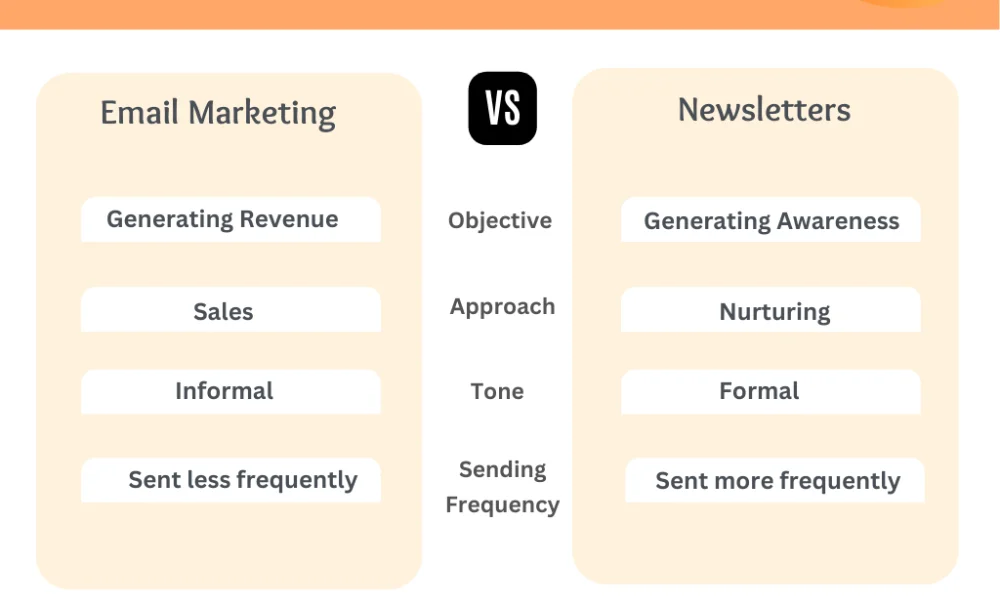
Newsletter Platforms vs. Email Marketing Software

How We Evaluated the Best Newsletter Platforms

Every platform in this guide is evaluated using the same criteria so you can compare them fairly.

Evaluation Factor Why It Matters
Pricing Affects long-term operating costs
Ease of use Speeds up content creation and publishing
Automation Saves time as your audience grows
Deliverability Improves inbox placement and engagement
Subscriber ownership Gives you full control of your audience
Monetization Supports subscriptions, sponsorships, or product sales
Integrations Connects with your existing marketing tools
Scalability Supports business growth without switching platforms

Rather than ranking platforms by popularity, we focus on how well each one supports different business models.
Top Newsletter Platforms

Here is the complete breakdown:

Top Newsletter Platforms

Beehiiv

Beehiiv is one of the best newsletter platforms for creators and publishers who want to grow an audience and monetize through ads, referrals, and paid subscriptions.

Best For Publishers & creators
Free Plan Yes (up to 2,500 subscribers)
Paid Newsletters Yes
Automation Good
Starting Price Free

Beehiiv combines newsletter publishing with audience growth tools. Its referral program, recommendation network, and Ad Network help creators grow and monetize without relying on third-party tools. Unlike Substack, Beehiiv does not take a percentage of subscription revenue.

Pros

  • Built-in referral program
  • 0% platform fee on subscriptions
  • SEO-friendly web archive

Cons

  • Limited ecommerce features
  • Automation is lighter than ActiveCampaign

Best For: Publishers, media brands, and newsletter-first businesses.

Kit

Kit is built for creators who sell courses, memberships, coaching, or digital products through email.

Best For Creators
Free Plan Yes (up to 10,000 subscribers)
Paid Newsletters Yes
Automation Advanced
Starting Price Free

Kit focuses on creator businesses rather than traditional email marketing. It offers visual automation, subscriber tagging, landing pages, and built-in commerce, making it a strong option for businesses that earn directly from their audience.

Pros

  • Excellent automation
  • Strong creator tools
  • Built-in digital commerce

Cons

  • Higher pricing as lists grow
  • Limited ecommerce workflows

Best For: Coaches, educators, YouTubers, and digital creators.

Substack

Substack is the easiest platform for launching a paid newsletter, but it charges a 10% fee on subscription revenue.

Best For Writers
Free Plan Yes
Paid Newsletters Yes
Automation Basic
Pricing Free + 10% subscription fee

Substack removes most technical setup, making it ideal for writers who want to publish quickly. Its trade-off is limited customization and fewer automation features than competitors like Beehiiv and Kit.

Pros

  • Very easy to launch
  • Built-in reader discovery
  • No monthly platform fee

Cons

  • 10% revenue share
  • Limited branding
  • Basic automation

Best For: Journalists, writers, and independent publishers.

MailerLite

MailerLite offers one of the best value-for-money combinations of email marketing, automation, and ease of use for small businesses.

Best For Small businesses
Free Plan Yes
Landing Pages Yes
Automation Good
Starting Price Free

MailerLite combines newsletters, landing pages, forms, and automation in a simple interface. It is well suited for businesses that need reliable email marketing without enterprise pricing.

Pros

  • Affordable pricing
  • Easy to use
  • Strong core features

Cons

  • Basic reporting
  • Limited enterprise capabilities

Best For: Startups, agencies, freelancers, and local businesses.

Mailchimp

Mailchimp is a mature email marketing platform with strong automation, reporting, and one of the largest integration ecosystems.

Best For Marketing teams
Free Plan Yes
Automation Advanced
Integrations 300+
Starting Price Free

Mailchimp remains a popular choice for businesses that need email campaigns, customer journeys, and analytics in one platform. It has added AI-powered features, but its free plan has become more limited in recent updates.

Pros

  • Advanced automation
  • Extensive integrations
  • Detailed reporting

Cons

  • Expensive as contacts grow
  • Limited free plan

Best For: Small and medium-sized businesses with established marketing workflows.

Ghost

Ghost is one of the best newsletter platforms for publishers that want complete ownership of their content, members, and subscription revenue.

Best For Publishers & membership sites
Free Plan No
Paid Newsletters Yes
Open Source Yes
Starting Price $9/month

Ghost combines a CMS, newsletter platform, and membership system in one product. Unlike Substack, it does not take a percentage of subscription revenue, giving publishers full control over branding and audience data.

Pros

  • Full ownership of content and subscribers
  • No platform fee on memberships
  • Built-in CMS and SEO features

Cons

  • No free plan
  • Requires more setup than Substack

Best For: Publishers, media companies, and membership-based businesses.

Brevo

Brevo is a strong choice for businesses that need email marketing, SMS campaigns, and CRM tools in one platform.

Best For Small & medium businesses
Free Plan Yes
SMS Marketing Yes
Automation Advanced
Starting Price Free

Brevo goes beyond newsletters by combining email, SMS, live chat, CRM, and automation. It is a practical solution for businesses that want multiple communication channels without paying for separate tools.

Pros

  • Email and SMS in one platform
  • Built-in CRM
  • Good automation

Cons

  • Newsletter editor is less flexible than Beehiiv
  • Reporting could be more detailed

Best For: Service businesses, B2B companies, and growing brands.

ActiveCampaign

ActiveCampaign is one of the most advanced newsletter platforms for automation and customer journeys.

Best For Marketing automation
Free Plan No
Automation Excellent
CRM Yes
Starting Price $15/month

ActiveCampaign is designed for businesses that rely on automated customer journeys. It supports advanced segmentation, behavioral triggers, lead scoring, and sales automation that most publishing-first platforms cannot match.

Pros

  • Industry-leading automation
  • Powerful segmentation
  • Built-in CRM

Cons

  • Learning curve for beginners
  • No permanent free plan

Best For: SaaS companies, agencies, and businesses with complex sales funnels.

HubSpot

HubSpot is ideal for businesses that want newsletters, CRM, marketing, and sales tools on one platform.

Best For CRM & marketing
Free Plan Yes
CRM Yes
Automation Advanced
Starting Price Free

HubSpot connects newsletters with customer data, lead management, and sales pipelines. It is a strong option for businesses that already use the HubSpot ecosystem.

Pros

  • Excellent CRM integration
  • Strong reporting
  • Scalable platform

Cons

  • Premium plans are expensive
  • More features than small businesses may need

Best For: B2B companies, sales teams, and growing organizations.

Klaviyo

Klaviyo is the leading choice for ecommerce businesses that depend on email revenue.

Best For Ecommerce
Free Plan Yes
SMS Marketing Yes
Automation Excellent
Starting Price Free

Klaviyo integrates deeply with platforms like Shopify and WooCommerce. Its automation focuses on abandoned carts, customer retention, repeat purchases, and personalized product recommendations.

Pros

  • Excellent ecommerce automation
  • Deep Shopify integration
  • Strong customer segmentation

Cons

  • Not built for publishers
  • Pricing increases with list size

Best For: Online stores and ecommerce brands.

Sender

Sender offers one of the best free plans for businesses that want affordable email marketing and automation.

Best For Budget-conscious businesses
Free Plan Yes
Automation Good
SMS Marketing Yes
Starting Price Free

Sender provides essential email marketing features without the higher costs of enterprise platforms. It includes automation, pop-ups, forms, and analytics, making it a practical option for smaller teams.

Pros

  • Generous free plan
  • Easy to use
  • Affordable upgrades

Cons

  • Limited advanced features
  • Smaller integration library

Best For: Small businesses, startups, and nonprofits.

Omnisend

Omnisend is designed for ecommerce brands that want email and SMS automation in one platform.

Best For Ecommerce
Free Plan Yes
SMS Marketing Yes
Automation Advanced
Starting Price Free

Omnisend helps online stores automate customer communication across email and SMS. It includes pre-built workflows for welcome emails, cart recovery, and post-purchase campaigns.

Pros

  • Ecommerce-focused automation
  • Email and SMS together
  • Simple workflow builder

Cons

  • Limited for non-ecommerce businesses
  • Fewer publishing features

Best For: Shopify, WooCommerce, and BigCommerce stores.

Campaign Monitor

Campaign Monitor is a reliable newsletter platform for businesses that prioritize email design and campaign management.

Best For Marketing teams
Free Plan No
Automation Good
Drag-and-Drop Editor Yes
Starting Price Paid

Campaign Monitor is known for its email builder and reporting tools. It suits businesses that run regular promotional campaigns but do not require advanced CRM functionality.

Pros

  • Professional email templates
  • Easy campaign creation
  • Good analytics

Cons

  • No free plan
  • Fewer automation features than ActiveCampaign

Best For: Agencies and marketing teams.

EmailOctopus

EmailOctopus is an affordable newsletter platform for businesses that need simple email marketing without enterprise pricing.

Best For Startups & small businesses
Free Plan Yes
Automation Basic
Integrations Yes
Starting Price Free

EmailOctopus focuses on simplicity and affordability. It covers the core features most businesses need without adding unnecessary complexity.

Pros

  • Affordable pricing
  • Beginner-friendly
  • Simple interface

Cons

  • Basic automation
  • Limited advanced reporting

Best For: Startups, bloggers, freelancers, and small businesses.

Our Top Picks

Business Type Recommended Platform
Publishers Beehiiv
Writers Substack
Digital Creators Kit
Small Businesses MailerLite
Ecommerce Klaviyo
SaaS ActiveCampaign
Marketing Teams HubSpot
Budget-Friendly Sender
Membership Sites Ghost
Startups EmailOctopus

Best by Use Case

The best newsletter platforms depend on how your business grows. Use this table to narrow your options before comparing features.

If You Need… Recommended Platform Why It Fits
Build a media or publishing business Beehiiv Includes referral tools, an ad network, and audience growth features.
Sell digital products or courses Kit Combines email marketing with automation and creator commerce tools.
Launch a paid newsletter quickly Substack Simple publishing with built-in subscription payments.
Grow an ecommerce store Klaviyo Designed for customer retention and sales automation.
Run a small business MailerLite Affordable, easy to use, and includes strong core features.
Automate complex marketing ActiveCampaign Advanced workflows, lead scoring, and customer journeys.
Manage marketing and sales together HubSpot Connects newsletters with CRM and sales tools.
Build a membership website Ghost Full ownership of content, branding, and subscribers.
Keep costs low Sender Generous free plan with automation included.

Pricing Comparison

Pricing matters, but long-term value matters even more. Some platforms are free to start, while others charge monthly fees or take a percentage of subscription revenue.

Platform Free Plan Entry-Level Pricing
Beehiiv Available Free plan available
Kit Available Free plan available
Substack Available No monthly fee. Keeps 10% of paid subscription revenue.
MailerLite Available Free plan available
Mailchimp Available Free plan available
Ghost Not available Starts at $9 per month
Brevo Available Free plan available
ActiveCampaign Trial only Starts at $15 per month
HubSpot Available Free CRM and email tools
Klaviyo Available Free plan available

Note: Pricing can change over time. Always check the official website before making a final decision

How to Choose

The best newsletter platforms depend on how your business earns revenue.

  • Choose Beehiiv if your priority is growing an audience through referrals, recommendations, and advertising.
  • Choose Kit if you sell digital products, coaching, memberships, or online courses.
  • Choose Substack if you want the simplest way to publish a paid newsletter.
  • Choose MailerLite if you need an affordable platform with solid automation.
  • Choose Klaviyo if ecommerce drives most of your sales.
  • Choose ActiveCampaign if your business depends on complex automation and customer journeys.
  • Choose HubSpot if sales and marketing teams work from the same CRM.
  • Choose Ghost if you want complete ownership of your website, content, and subscribers.

Common Mistakes

Many businesses select newsletter platforms based on popularity instead of business requirements.

The most common mistakes include:

  • Choosing a creator platform for an ecommerce business.
  • Ignoring automation requirements.
  • Looking only at monthly pricing instead of long-term costs.
  • Overlooking subscriber ownership and export options.
  • Paying for enterprise features that will never be used.

These mistakes often lead to expensive platform migrations as businesses grow.

Expert Tip

At Memorable Design, we recommend evaluating every newsletter platform using three questions before making a decision:

  1. How will this platform help acquire new subscribers?
  2. How will it generate revenue as the audience grows?
  3. Will it still meet your needs two years from now?

If a platform cannot answer all three questions, it is probably not the right long-term investment.

Memorable Growth Framework

Instead of comparing features alone, evaluate every platform using this simple framework.

Stage Question Goal
Build Can it grow your subscriber list? Audience growth
Engage Can it automate communication? Better engagement
Convert Can it generate revenue? Higher conversions
Scale Can it support future growth? Long-term ROI

The strongest newsletter platforms do not just send emails. They help businesses attract subscribers, nurture relationships, convert readers into customers, and continue scaling without switching platforms.

Conclusion

The best newsletter platforms are the ones that match your business goals, budget, and growth strategy. Choosing the right platform today can help you build a stronger audience, improve customer engagement, and create long-term revenue opportunities. At Memorable Design, we recommend selecting a platform that supports both your marketing strategy and future business growth.

Frequently Asked Questions

Which is the best newsletter platform?

The best newsletter platform depends on your business goals. Beehiiv is ideal for publishers, Kit works well for creators, Klaviyo leads in ecommerce, and ActiveCampaign is best for advanced automation.

What is the difference between a newsletter platform and email marketing software?

A newsletter platform focuses on publishing, audience growth, and subscriber management. Email marketing software focuses more on automation, customer journeys, CRM integration, and sales campaigns.

Which newsletter platform is best for small businesses?

MailerLite is one of the strongest options for small businesses because it combines affordable pricing, automation, landing pages, and email marketing in one platform.

Which platform is best for paid newsletters?

Beehiiv, Ghost, Kit, and Substack all support paid newsletters. Beehiiv and Ghost give you more control over branding, while Substack offers the fastest setup for subscription-based publishing.

Can I switch newsletter platforms later?

Yes, most newsletter platforms let you export subscribers and migrate to another provider. Before choosing a platform, check its export options, migration support, and any platform fees that could affect long-term flexibility.

0 Comments

Submit a Comment

Your email address will not be published. Required fields are marked *