Custom website design services build a site from scratch around your business, instead of fitting your business into a ready-made template. The design, the page structure, and the code are all made for you, so the site looks like nobody else’s and works the way your customers use it. Whether that difference is worth the price depends on what your site has to do.
Here is the direct answer. A custom-designed business site typically costs $3,000 to $15,000, according to published 2026 pricing guides, with a fully custom build from a Western agency running $15,000 to $50,000 or more. Digital Silk lists custom from $5,000, professional from $12,000, and fully custom from $25,000. Memorable Design prices by scope and quote only, so every figure here is a published market benchmark, not our own price.
I have spent more than twenty years building websites, and the custom builds I am proudest of are the ones where design solved a real business problem: a checkout that stopped losing baskets, a services page that finally explained a complicated offer, a homepage that said in one sentence who the company serves. Custom design earns its fee when it changes what visitors do. When it only changes how the site looks, a template would have done the job for a tenth of the price.
In short
- What it is: design and code built from scratch for one business, not adapted from a template.
- Typical cost: $3,000 to $15,000 for a custom site; $15,000 to $50,000-plus from a Western agency.
- Published starting points: Digital Silk lists custom from $5,000, professional from $12,000, fully custom from $25,000.
- When it pays: unique layouts, complex journeys, brand-led sites, and sites that must convert.
- When it does not: a simple brochure site where a premium theme fits.
What custom website design services include
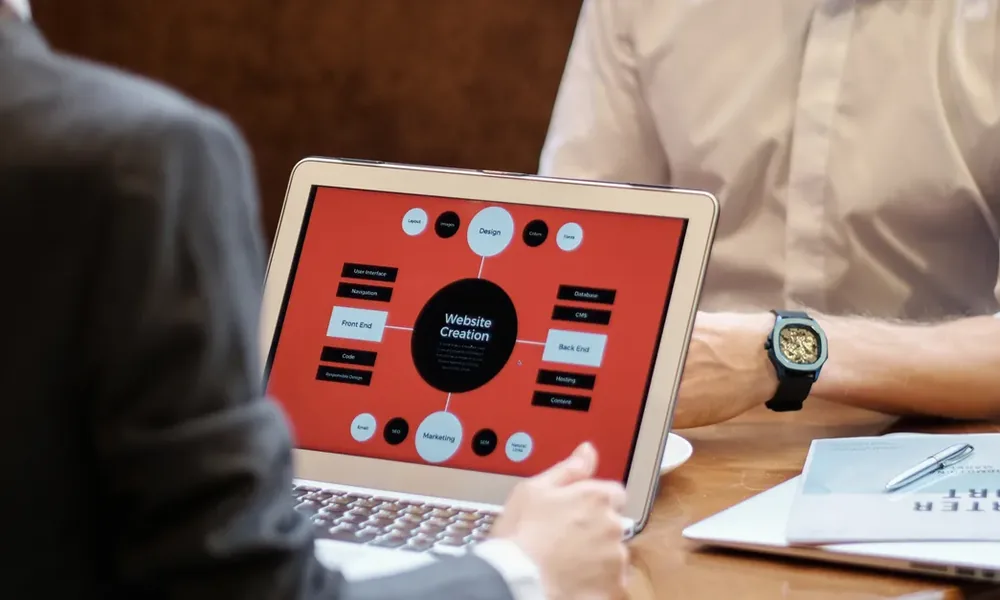
A proper custom service starts with discovery, not with mockups. The agency learns how your business makes money, who buys from you, and what the site must do, then maps the customer journey before a single layout is drawn. That strategy stage is the first thing a template skips, and it is why custom sites convert better: every page exists for a reason, and every reason comes from your buyers rather than from a theme author’s guess.
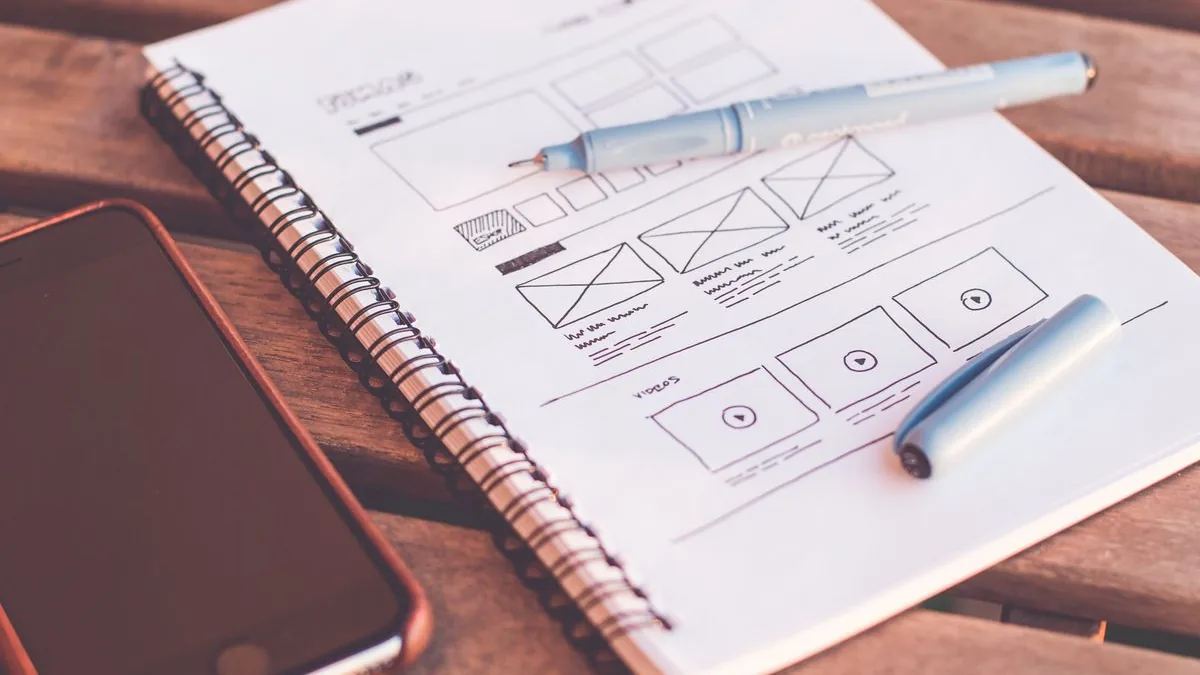
Design comes next: original layouts for the homepage and key pages, drawn for desktop and mobile separately. Development turns those layouts into working code on a content management system your team can edit. Then comes the part buyers forget to ask about: real copy written around what customers ask, page titles and meta descriptions, internal links, analytics, and device testing. A custom service should also include a handover session so your team can update the site without calling the agency every week. Our guide to hiring a web design agency sets out how to check each of these stages before you sign.
What custom design costs in 2026
Every figure below comes from a published source. WebFX’s 2026 pricing guide puts agency design at $3,000 to $30,000 and over, freelancer design at $500 to $10,000 and over, and templates at $20 to $300 or more each. A custom-designed business site with a content management system and blog runs $3,000 to $15,000. The spread widens at the top: a fully custom design and build from a Western agency costs $15,000 to $50,000 or more, while an established Eastern European agency delivers comparable work for $6,000 to $25,000, at $25 to $49 an hour against $75 to $200 in the West.
| Build route | Typical cost | What you get | Best suited to |
|---|---|---|---|
| DIY builder | $17 to $30 a month | Template site, your time, your copy | Testing an idea on a tiny budget |
| Template customisation | $800 to $6,000 | Premium theme adapted to your brand | Small sites with standard needs |
| Semi-custom design | $3,000 to $15,000 | Custom layouts on a proven framework | Most small business sites |
| Fully custom build | $15,000 to $50,000+ | Design and code from scratch | Brand-led sites, complex journeys |
Published starting points confirm the spread. Digital Silk lists custom work from $5,000, professional builds from $12,000, and fully custom work from $25,000. Clutch’s pricing guide, based on verified client reviews, puts the average web design project at $38,105, while most reviewed projects still cost less than $10,000, and United States agencies at $100 to $149 an hour. The Admin Bar 2025 survey of WordPress professionals found the most common project band was $2,500 to $4,999. The range is wide because the scope is wide, and the only honest quote is one written against your brief.
Custom versus template: the honest test
Ask one question before you pay for custom: does your site need a layout that no template offers? If your homepage must explain a complicated product in one screen, if your checkout has steps a theme cannot express, or if your brand depends on a look nobody else has, custom is the right call. If your site is five service pages, a contact form, and a blog, a premium theme adapted well will serve your visitors just as well, and the money you save can go into copywriting and search work that brings enquiries.
What drives the price up or down
Four things decide where you land inside those ranges. Custom work against templates comes first: a design from scratch costs more than a premium theme adapted to your brand, and the difference is justified only when your site needs layouts a theme cannot deliver. Integrations come second: booking systems, customer databases, payment gateways, and ecommerce each add development time. Content is third: an agency writing twenty pages of copy charges for twenty pages, and cheap quotes often mean you supply it. The team is fourth: senior designers cost more per hour, and their work usually needs fewer revisions. A quote at half the price of the others is almost always missing one of these four things.
Page count matters too, but less than people think. WebFX puts 1 to 75 pages at $1,000 to $3,000 and 150 to 250 at $6,000 to $10,000 for size alone. What really moves the price is how many pages need unique templates: fifty pages on two templates cost less than twenty pages that each need a different layout. Ask how many unique templates the quote covers before you compare it with another. Our SEO pricing guide for 2026 explains the same scope-first logic.
How a custom project runs
A well-run custom project follows five stages, and you should see each one in the proposal with dates attached. Discovery takes one to three weeks: the agency learns your business, your buyers, and what the site must do. Design takes two to four weeks: homepage and key-page mockups you approve before anything is built. Development takes three to six weeks, turning the approved design into a working site with the content management system, forms, and integrations. Content and SEO setup follow: real copy, page titles, meta descriptions, and analytics. Launch is last, with testing across devices, redirects from old pages if this is a redesign, and a handover session so your team can update the site without calling the agency.
Your part is mostly content and decisions. The most common cause of delay is pages waiting on copy, photography, or approvals, and a project that stalls for a month usually stalls on the client’s side. Agree the approval process before work starts: one named approver, a fixed number of revision rounds, and a deadline for feedback on each stage. If the project is a rebuild, our guide to website redesign services explains how the migration stage protects your rankings through the move.
Red flags that should end the conversation
A quote with no itemised scope is the clearest warning, because a price without a scope can grow without limit. A portfolio of mockups rather than live sites is another, since a design never built and tested has proved nothing. So is an agency that will not name the team, will not share references, or wants the full fee before any work begins. Watch for anyone who promises first-page rankings as part of a design quote, because design alone does not rank a site. A confident agency agrees to milestone payments, puts revision rounds in writing, and hands you the keys on launch day.
Your pre-signing checklist
- Brief sent to three or four agencies, with the same scope, pages, and budget range.
- Decision: fully custom, semi-custom, or template, with the reason written down.
- Three live portfolio sites tested on phone and desktop, one in your industry.
- Named project team confirmed in writing, including who attends your weekly calls.
- Two references from the last twelve months called, with on-time, on-budget, and rehire questions asked.
- Itemised quote covering discovery, design, development, copy, SEO setup, testing, launch, and thirty days of fixes.
- Contract checked for milestone payments, revision rounds, and full ownership of design, code, domain, and hosting.
- Maintenance cost in writing, including hosting, updates, backups, and the hourly rate for later changes.
Frequently asked questions
How much do custom website design services cost?
A custom-designed business site typically costs $3,000 to $15,000, per published 2026 pricing guides. A fully custom build from a Western agency runs $15,000 to $50,000 or more, while established Eastern European agencies deliver comparable work for $6,000 to $25,000. Digital Silk lists custom from $5,000, professional from $12,000, and fully custom from $25,000.
What is the difference between custom design and a template?
Custom design is drawn from scratch: original layouts, original code, and a structure built around your buyers. A template is a design adapted to your brand: faster and cheaper, but constrained by the theme’s grid. Custom wins when your site needs layouts no template offers; a template wins when your pages are standard and the budget is better spent on copy and search.
How long does a custom website take to build?
A small business site usually takes six to twelve weeks from brief to launch; a larger custom build takes four to six months. Clutch reports a typical web design engagement of about seven months, including discovery, content, and post-launch work. The most common cause of delay is content: pages waiting on copy or photography stall the whole project.
Who owns the website after a custom build?
You should own everything: the design files, the theme and code, the domain name, and the hosting account, all registered in your name. Put that in the contract. If an agency wants to keep the site on its own hosting or hold the domain, walk away.
Should a small business pay for custom design?
Only if the site needs it. A small business with standard service pages and a contact form is usually better served by a well-adapted premium theme, with the savings spent on copywriting and search work. Pay for custom when your layout, your customer journey, or your brand cannot be expressed inside a template. Our roundup of the best web design agency for small business compares agencies serving both routes.
What should a custom design quote include?
Discovery, design revisions, development, copywriting, SEO setup, testing across devices and browsers, launch, and thirty days of fixes. It should also state the payment schedule, who owns the finished site, and what maintenance costs. A quote that lists services without numbers is a brochure with a price on it.
Conclusion
Custom website design services earn their fee when the design solves a real business problem: a journey no template can express, a layout that makes a complicated offer clear, a site that converts better than the old one. Start with the brief, test whether a template could do the job, and pay for custom only when the answer is no.