

Cybersecurity threats have evolved from basic malware infections into sophisticated, multi-stage attacks designed to exploit identity weaknesses, cloud misconfigurations, and supply chain vulnerabilities. As corporate networks expand beyond traditional perimeters and hybrid cloud architectures become standard practice, selecting the right platform among today's leading cybersecurity vendors has become a central strategic priority for enterprise technology leaders, CISOs, and risk officers.
The most trusted leading cybersecurity vendors provide consolidated platforms that defend endpoints, secure cloud architecture, manage digital identities, and deliver real-time threat intelligence. Rather than relying on point solutions that create operational silos, modern organizations prioritize integrated ecosystems capable of detecting, analyzing, and mitigating complex security incidents in real time.
What Defines a Leading Cybersecurity Vendor?

A leading cybersecurity vendor is distinguished by its ability to deliver comprehensive protection across dynamic, heterogeneous IT environments while maintaining clear visibility and centralized management. Beyond raw threat detection rates or brand recognition, top enterprise security providers stand out through distinct core capabilities:
- Integrated Security Architecture: Modern security platforms unify endpoint detection, identity verification, network monitoring, and cloud defense into a single control plane. This approach eliminates security visibility gaps created by fragmented legacy systems.
- Robust Threat Intelligence Networks: Global sensor networks operated by leading cybersecurity vendors continuously update threat models to shield organizations against emerging adversary tactics, techniques, and procedures (TTPs).
- Extensible Integration Ecosystems: Open APIs and pre-built integrations allow top platforms to interoperate smoothly with existing Security Information and Event Management (SIEM) engines, Security Orchestration, Automation, and Response (SOAR) workflows, and IT service desks.
Evolution of Enterprise Cybersecurity Strategy
The enterprise cybersecurity landscape has undergone a fundamental transformation over the past decade. Understanding this shift helps clarify why selecting leading cybersecurity vendors looks drastically different today than it did in previous operational eras.
From Perimeter Defense to Perimeterless Networks
Traditionally, enterprise security relied heavily on a "castle-and-moat" architecture. Firewalls and intrusion prevention systems protected the internal corporate network, assuming that everything inside the network perimeter was inherently trustworthy.
However, the rapid adoption of remote work, mobile devices, and Software-as-a-Service (SaaS) applications rendered traditional perimeters obsolete. Today's network perimeter is dynamic and software-defined, requiring continuous verification regardless of user location.
From Siloed Point Tools to Unified Platforms
In response to emerging threats, organizations historically purchased standalone tools for every new threat vector one product for email filtering, another for endpoint protection, a third for data loss prevention, and several others for network monitoring.
This approach created tool sprawl, resulting in administrative fatigue, high licensing overhead, and critical operational blind spots. Modern enterprise security strategies focus on platform consolidation, where a leading cybersecurity vendor or closely integrated ecosystem handles multiple security vectors under unified policies.
Core Categories of Enterprise Cybersecurity Solutions
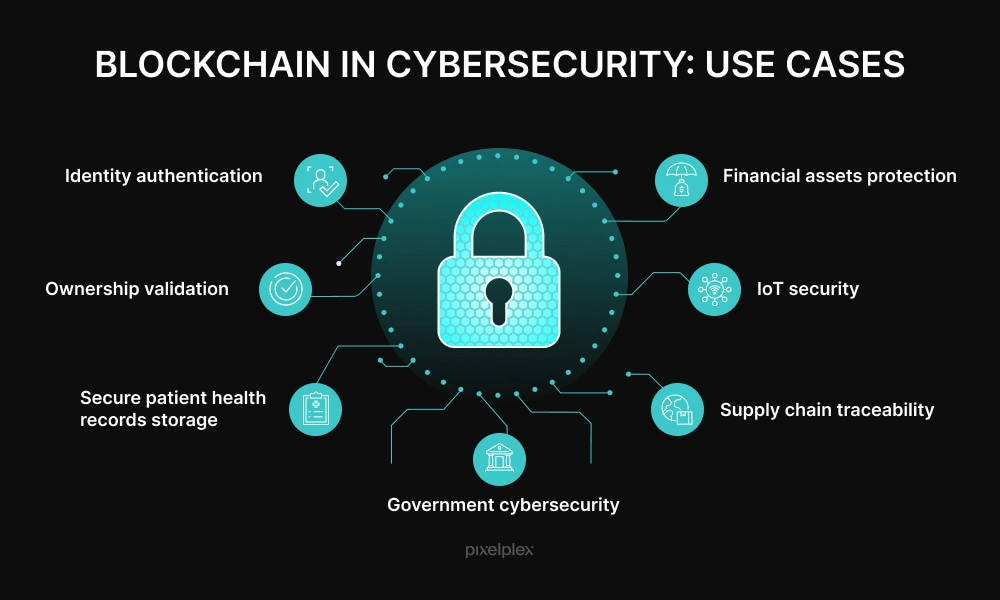
Enterprise security spans several operational domains. Understanding these categories helps organizations map vendor capabilities directly to their specific risk profiles and technical requirements:
1. Endpoint Protection and Extended Detection and Response (EDR/XDR)
Endpoints, laptops, desktops, servers, mobile devices, and virtual machines remain primary entry points for cyber threats. Modern Endpoint Protection Platforms (EPP) leverage behavioral monitoring to block ransomware and exploits.
Extended Detection and Response (XDR) extends coverage far beyond traditional host endpoints by correlating telemetry from network logs, identity stores, email gateways, and cloud applications to deliver holistic incident context.
2. Identity and Access Management (IAM & PAM)
Identity serves as the primary security boundary in perimeterless enterprise architectures. Identity and Access Management (IAM) solutions enforce Multi-Factor Authentication (MFA), manage single sign-on (SSO), and apply Zero Trust access principles across human users and non-human identities (such as APIs, microservices, and automated scripts). Privileged Access Management (PAM) adds specialized governance for administrator accounts with elevated system rights.
3. Cloud Security Posture and Application Protection (CNAPP & CSPM)
As workloads migrate to public and private clouds, traditional security infrastructure cannot maintain adequate visibility. Cloud-Native Application Protection Platforms (CNAPP) integrate multiple cloud security functions, including Cloud Security Posture Management (CSPM), Cloud Workload Protection Platforms (CWPP), and Infrastructure-as-Code (IaC) scanning, into a single operational framework. These tools continuously audit cloud configurations, detect misconfigurations, audit permissions, and secure containerized application environments.
4. Network and Edge Security (SASE & Next-Gen Firewalls)
Secure Access Service Edge (SASE) combines software-defined wide area networking (SD-WAN) with cloud-delivered security services such as Zero Trust Network Access (ZTNA), Secure Web Gateways (SWG), and Cloud Access Security Brokers (CASB). This hybrid model allows remote and branch offices to securely connect to private applications and SaaS tools without backhauling corporate web traffic through centralized physical data centers.
Key Capabilities of Top Cybersecurity Providers
When evaluating market leaders, security operations center (SOC) teams look for platforms offered by leading cybersecurity vendors that lower operational friction while simultaneously reducing mean time to detect (MTTD) and mean time to respond (MTTR).
| Platform Focus Area | Key Operational Benefit | Primary Use Case |
| Endpoint & XDR | Prevents ransomware execution and isolates compromised host devices | Remote workforce protection and host infrastructure security |
| Cloud-Native Protection | Identifies infrastructure misconfigurations and container vulnerabilities | Multi-cloud governance and secure DevOps deployment pipelines |
| Identity Architecture | Enforces adaptive access controls and least-privilege security policies | Zero Trust architecture implementation and credential defense |
| Network & SASE | Secures distributed corporate network traffic without adding latency | Branch office and remote user secure connectivity |
| Security Operations & Analytics | Centralizes security log analytics and automates incident response | Threat hunting, SIEM log correlation, and automated triage |
How to Evaluate and Choose the Best Security Vendor?

Partnering with leading cybersecurity vendors requires balancing technical capabilities, operational complexity, organizational maturity, and long-term business costs. Consider the following structured evaluation framework when assessing potential partners:
1. Assess Architecture and API Compatibility
Ensure candidate platforms integrate natively with your organization's existing technology infrastructure. Native API integrations with existing enterprise logging systems, IT service management platforms, and cloud environments reduce custom engineering requirements and shorten deployment timelines.
2. Review Independent Testing and Benchmarks
Third-party evaluations provide objective insights into detection coverage, false-positive frequencies, and automated response capabilities against simulated real-world attack groups. Review independent framework evaluations, such as the MITRE ATT&CK enterprise evaluations, to see how vendor tools perform against actual adversary tactics in controlled testing conditions.
3. Validate Deployment and Operational Overhead
A security platform is only effective if your security team can operate it efficiently day to day. Evaluate dashboard usability, administrative workload, policy management workflows, and the ease of creating custom automated response playbooks. Tools that generate excessive false alerts degrade analyst focus and increase operational risk.
4. Analyze Pricing Models and Licensing Clarity
Security software pricing models vary widely across the industry. Common models include per-endpoint, per-user, or data-ingestion-based subscription tiers. Ensure unpredictable data volume growth or cloud expansion will not trigger unexpected, exponential cost increases over time. Seek transparency regarding mandatory add-ons for premium support or advanced threat intelligence modules.
5. Evaluate Vendor Stability and Support Ecosystem
Consider the vendor's financial stability, research investment, and customer support infrastructure. Enterprise security deployments require ongoing vendor partnership, timely updates for newly uncovered zero-day vulnerabilities, and responsive technical support when critical incidents occur.
Common Mistakes to Avoid During Vendor Selection
- Over-Relying on Fragmented Point Solutions: Purchasing isolated niche security tools for every new attack vector leads to severe tool sprawl, operational fatigue, and unpatched security blind spots between system interfaces.
- Ignoring Integration Requirements: Selecting tools that cannot seamlessly export or ingest telemetry data with your broader monitoring stack limits cross-domain incident investigation capabilities.
- Failing to Test in Production-Like Environments: Relying exclusively on vendor-curated demonstrations rather than running a rigorous Proof of Concept (POC) within your actual technical environment often hides integration friction and unexpected agent performance impacts.
- Overlooking Identity as a Core Security Boundary: Focusing heavily on network perimeter defenses while neglecting identity controls leaves networks highly vulnerable to credential harvesting, social engineering, and internal lateral movement.
- Underestimating Operational Training Needs: Deploying complex enterprise security suites without budgeting time and resources for team training results in underutilized features and misconfigured policy settings.
Key Industry Standards and Compliance Frameworks

Enterprise security platforms developed by leading cybersecurity vendors must do more than just stop attacks; they must also help organizations demonstrate regulatory compliance and adhere to established industry frameworks.
NIST Cybersecurity Framework (CSF)
The National Institute of Standards and Technology (NIST) CSF provides a structured model organized around six core functions: Govern, Identify, Protect, Detect, Respond, and Recover. Top vendors design their platform capabilities to align directly with these functional areas, helping enterprises streamline auditing processes and manage technical risks systematically.
ISO/IEC 27001
ISO/IEC 27001 is an international standard that specifies requirements for establishing, implementing, maintaining, and continually improving an Information Security Management System (ISMS). Enterprise security providers often supply dedicated compliance templates and automated reporting features mapped directly to ISO controls.
Zero Trust Architecture (NIST SP 800-207)
NIST SP 800-207 defines the foundational components of Zero Trust architecture. Top security vendors structure their identity, network, and endpoint tools around these guidelines, ensuring that continuous validation, dynamic policy enforcement, and microsegmentation can be deployed effectively across complex enterprise environments.
Final Thoughts
Navigating the competitive landscape of leading cybersecurity vendors requires a thorough evaluation of your organization's technical architecture, existing security maturity, operational capacity, and regulatory compliance standards. Modern threat vectors require tight system integration, continuous cloud posture monitoring, dynamic threat intelligence, and strict identity verification rather than fragmented legacy defenses.
By shortlisting prominent leading cybersecurity vendors that emphasize platform interoperability, operational clarity, scalable threat prevention, and ongoing support, enterprises can construct a resilient security foundation capable of protecting critical assets against evolving digital threats. Similarly, businesses can strengthen their online presence by using the best backlink analysis tools to evaluate their link profiles and identify opportunities to improve search visibility.
Frequently Asked Questions
What is the difference between EDR and XDR?
Endpoint Detection and Response (EDR) focuses specifically on monitoring, detecting, and mitigating threats on host devices such as workstations, laptops, and physical or virtual servers. Extended Detection and Response (XDR) expands this scope by collecting, normalizing, and correlating threat telemetry across multiple technical layers, including host endpoints, cloud workloads, network devices, email security gateways, and identity stores providing security teams with a much broader context for investigating complex attacks.
Why are enterprise organizations shifting toward consolidated security platforms?
Consolidating security stack tools reduces operational friction, eliminates coverage gaps created by disconnected point products, accelerates incident detection through unified telemetry correlation, and significantly lowers administrative overhead and technical training demands for security operations teams.
What is Zero Trust architecture, and why do cybersecurity vendors emphasize it?
Zero Trust is a strategic security framework built on the principle of explicit verification, operating under the assumption that no user, device, or network connection, whether inside or outside the corporate network, is inherently trustworthy. Security vendors emphasize Zero Trust because modern cloud and mobile access models make traditional physical perimeter controls inadequate for preventing unauthorized lateral movement.
How do artificial intelligence and machine learning enhance cybersecurity platforms?
AI and machine learning algorithms process massive volumes of operational telemetry in real time to uncover subtle behavioral anomalies, predict threat trajectories, automate baseline alert triage, and execute rapid automated response actions (such as isolating compromised hosts) long before human security analysts can manually respond.
How often should an enterprise review its security vendor stack?
Organizations should conduct a comprehensive review of their security vendor stack annually, alongside continuous assessments whenever significant shifts occur in technical operations, cloud adoption strategies, business acquisitions, regulatory compliance obligations, or external threat profiles.
What is the role of managed detection and response (MDR) when evaluating leading cybersecurity vendors?
Managed Detection and Response (MDR) delivers outsourced 24/7 threat hunting, monitoring, and incident response services. For organizations that lack the internal resources or specialized staffing needed to maintain a round-the-clock Security Operations Center (SOC), selecting from leading cybersecurity vendors that offer native or partner-led MDR capabilities is a crucial operational consideration.
