
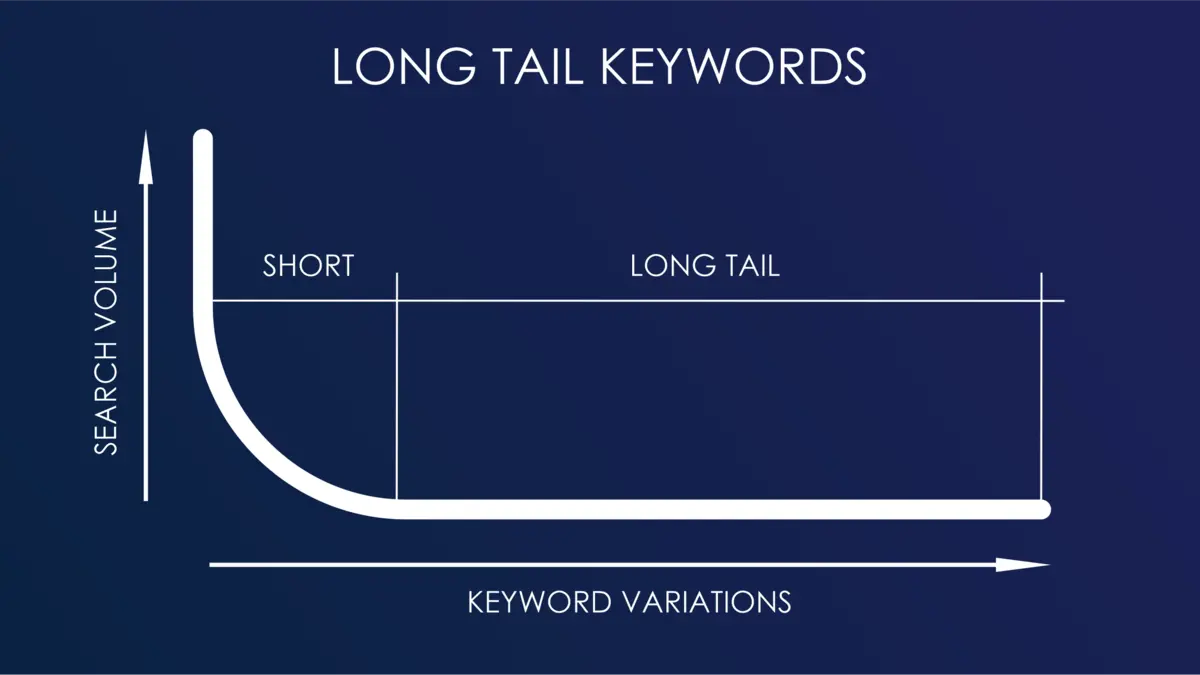
In 2026, long-tail keywords drive AI-generated search visibility. Target ultra-specific, conversational 8+ word queries and question keywords to match user intent. Structure content with concise summaries, rich detail, and E-E-A-T signals. Regularly update trends and FAQs to capture high-intent traffic and improve conversions.
The short, punchy keyword is losing its crown. For years, SEOs obsessed over three-word "head terms," but the rise of generative search has flipped the script. Today, long tail keywords ai overviews are the primary drivers of visibility in Google’s new interface. To rank in 2026, you must target ultra-specific, 8+ word queries that mirror how humans actually speak to their devices. By optimizing for these hyper-descriptive phrases, you provide the context needed for Google’s AI to synthesize your content into a summary. At Memorable Design, we’ve observed that the more specific the query, the more likely you are to appear in the coveted AI-generated snapshot.
As search engines evolve into "answer engines," the way we bridge the gap between a user’s problem and our solution must become more granular. It’s no longer enough to rank for "marketing tips"; you need to answer "how to create a marketing plan for a small boutique organic bakery in 2026."
The Resurgence of the Long-Tail in the AI Era
We used to think of long-tail keywords as low-volume leftovers. In the past, these were the scraps we picked up when we couldn't rank for the big terms. However, the February 2026 Google Core Update has solidified a new reality: specificity is the new authority.
When a user types a complex, eight-word sentence, they aren't just looking for a website; they are looking for a definitive answer. Google’s AI Overviews are specifically designed to handle these complex intents. Because long tail keywords ai overviews thrive on detail, websites that provide exhaustive, niche-specific information are seeing a massive surge in "zero-click" and "high-intent" visibility.
Why Conversational Keywords are Winning
The shift toward conversational keywords is driven by voice search and the habit of "chatting" with AI. People no longer search like robots. Instead of typing "best winter boots," they ask, "what are the best insulated waterproof boots for hiking in the Pacific Northwest."
This natural language gives search engines more "clues" about the user's specific pain points. If your content uses these conversational keywords, you are essentially speaking the same language as the AI model. At Memorable Design, we have shifted our focus toward these natural phrases because they result in much higher conversion rates, even if the individual search volume looks lower on paper.
The Power of Question Keywords SEO
If you want to trigger an AI Overview, you need to master question keywords seo. Queries starting with "how," "why," or "can I" are the most frequent triggers for generative summaries. These questions demand a structured response, which is exactly what Google's AI is built to provide. By framing your headings as direct questions, you create a clear roadmap for the AI to follow.
| Keyword Type | Average Length | Intent Clarity | AI Overview Trigger Rate |
| Head Term | 1-2 Words | Low | Very Low |
| Body Term | 3-5 Words | Moderate | Moderate |
| Long-Tail | 6-8 Words | High | High |
| Ultra Long-Tail | 8+ Words | Very High | Exceptional |
Strategies for Modern Long Tail Keyword Research
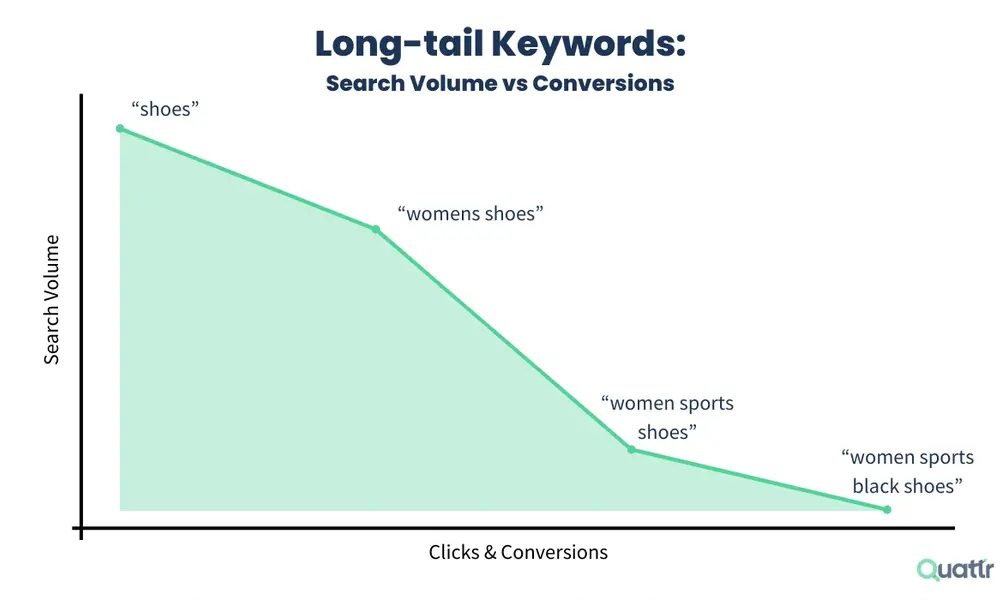
The tools we used in 2022 aren't enough for 2026. Traditional software often ignores queries with "zero volume," but in the world of long tail keywords ai overviews, zero-volume doesn't mean zero value. It means the query is so specific that it hasn't been aggregated yet.
Mining "People Also Ask" and Forums
To perform effective long tail keyword research, you must go where the conversations are happening. Reddit, Quora, and niche Discord servers are goldmines for 8+ word queries. Look for the specific phrasing people use when they are frustrated. These "frustration queries" are perfect for targeting because they represent a gap in the existing high-level content.
Using AI to Find AI Keywords
Ironically, one of the best ways to find these terms is to ask an AI. Use prompts to generate lists of potential questions a customer might have at the very end of their buying journey. This type of long tail keyword research uncovers the "micro-intents" that big-box competitors often overlook.
Structuring Content for AI Synthesis
It is one thing to find the keywords; it’s another to make the AI choose your content as the source. Google’s AI looks for "information density." This means you need to provide a high volume of facts in a concise format.
- The 80-Word Answer: Directly under your H2 question, provide a clear, 80-word summary. This is the "sweet spot" that AI Overviews often scrape for their summaries.
- Use Descriptive Adjectives: Instead of "fast cars," use "aerodynamic high-torque electric sports cars." This extra detail helps the AI categorize your expertise.
- Clear Information Hierarchy: Use H3s and H4s to break down sub-topics. If your main topic is long tail keywords ai overviews, your sub-headings should cover "how they trigger" and "why they matter."
- Data-Backed Insights: Whenever possible, include "based on 2026 trends" or "according to recent case studies." This builds the "Trustworthiness" part of E-E-A-T.
The Role of E-E-A-T in Long-Tail Success
You cannot fake authority in a niche world. The more specific the query, the more the AI looks for "Experience." If someone asks for "how to fix a leaking 2024 Tesla heat pump," the AI wants an answer from someone who has actually done it.
At Memorable Design, we emphasize "first-hand storytelling." We don't just explain long tail keywords ai overviews; we share the data from our own client dashboards. This original data is a "moat" that protects your content from being replaced by generic AI-generated fluff. When your content contains unique insights that cannot be found elsewhere, Google is forced to cite you as the source.
Practical Examples of Long-Tail Transformation
Let's look at how a standard keyword can be transformed into a high-intent, AI-triggering powerhouse.
- Old Version: "Living room decor." (Too broad, no AI trigger).
- Updated Version: "Modern minimalist living room decor ideas for small apartments with low light." (Specific, triggers an AI Overview with a list).
By adding those extra layers—modern, minimalist, small apartments, low light—you have answered four specific user needs in one go. This is the heart of targeting long tail keywords ai overviews. You are solving a complex problem rather than just providing a gallery of images.
Why Conversational Keywords Improve User Trust
When a user sees their exact, complex question reflected in your headline, a "click" of recognition happens. It proves that you understand their specific situation. This is why conversational keywords are so effective for lead generation.
A user who searches for "how to scale a boutique marketing agency to 7 figures without hiring full-time staff" is much closer to buying a consulting service than someone searching for "marketing agency tips." By investing in question keywords seo, you are capturing the user at the peak of their interest.
Future-Proofing Your SEO with Long-Tail Phrases
The trend toward longer queries is only going to accelerate. As wearable tech and AI pins become more common, we will stop "typing" entirely and start "dictating." This means the 8+ word query will become the standard, not the exception.
The End of Keyword Stuffing
In this new world, keyword stuffing is fatal. If you try to force long tail keywords ai overviews into a sentence where they don't fit, the AI will recognize the lack of "flow" and ignore the content. The goal is to be helpful, not to "game" the system. The 2026 update specifically punishes content that feels over-optimized for bots rather than humans.
Maintenance and Updates
Long-tail queries can be seasonal or trend-based. You must treat your long tail keyword research as a living document. Check your Search Console every month to see what new, weirdly specific sentences people are using to find you, and then create content that speaks directly to those new queries.
Conclusion: Embracing the Detail
The era of the "vague" internet is over. Success in 2026 requires a deep dive into the specifics of user intent. By focusing on long tail keywords ai overviews, you are positioning your brand as a helpful, authoritative guide in a sea of generic information.
Mastering conversational keywords and staying ahead of question keywords seo trends will ensure that your site doesn't just get traffic, but gets the right traffic. At Memorable Design, we’ve seen that when you answer the questions no one else is brave enough to tackle in detail, you win the search game. Start your long tail keyword research today, and watch as your brand becomes the definitive answer in the AI-driven landscape.
Frequently Asked Questions
Do long-tail keywords have enough traffic to be worth it?
Individually, they might have low volume, but collectively, they often make up 70% or more of total search traffic. Furthermore, the conversion rate for long tail keywords ai overviews is significantly higher than for broad terms, making the traffic much more valuable.
How do I know if a keyword will trigger an AI Overview?
While there is no guaranteed way to know, queries that are phrased as complex questions or require a "comparison" are the most likely to trigger them. Use long tail keyword research to find phrases that start with "what is the difference between" or "how do I."
Should I stop targeting short-tail keywords?
No, but your strategy should shift. Use short-tail keywords for your "Pillar Pages" and use long-tail phrases for your "Cluster Content." This creates a topical authority web that helps you rank for both.
Does the 2026 Google Update hate AI-written content?
Google doesn't hate AI content; it hates "unhelpful" content. If an AI writes a generic post, it will fail. However, if a human uses AI to assist in deep long tail keyword research and then adds their own unique experience, that content will thrive.
What is the best tool for conversational keywords?
Search Console is your best friend. Look at the "Queries" tab and filter by "Longer than 5 words." You will see the exact conversational keywords people are already using to find your site, which you can then optimize further.




0 Comments